
Table of Contents
- What to Look for When Choosing Between Local Home Inspectors
- Verify Professional Licensing and Certification
- Benefits of a Master Certified Home Inspector
- Essential Questions to Ask a Home Inspector
- How Long Does a Home Inspection Take and What’s Included
- Advanced Tools: Infrared Thermal Imaging Home Inspection Technology
- Red Flags When Selecting an Inspector
- Conclusion
- Frequently Asked Questions
Last Updated: October 2, 2026
What to Look for When Choosing Between Local Home Inspectors
Choosing between local home inspectors is one of the most critical decisions you’ll make in a real estate transaction. The inspector you select will uncover hidden problems, verify structural integrity, and provide the detailed property condition report that shapes your entire negotiation strategy. Yet many buyers treat this choice casually, defaulting to whoever their agent recommends or picking the cheapest option available.
The difference between a thorough, certified professional and an average inspector often comes down to credentials, methodology, and transparency. This guide walks you through exactly what separates qualified inspectors from those who cut corners, and how to spot red flags before you hire the wrong person.
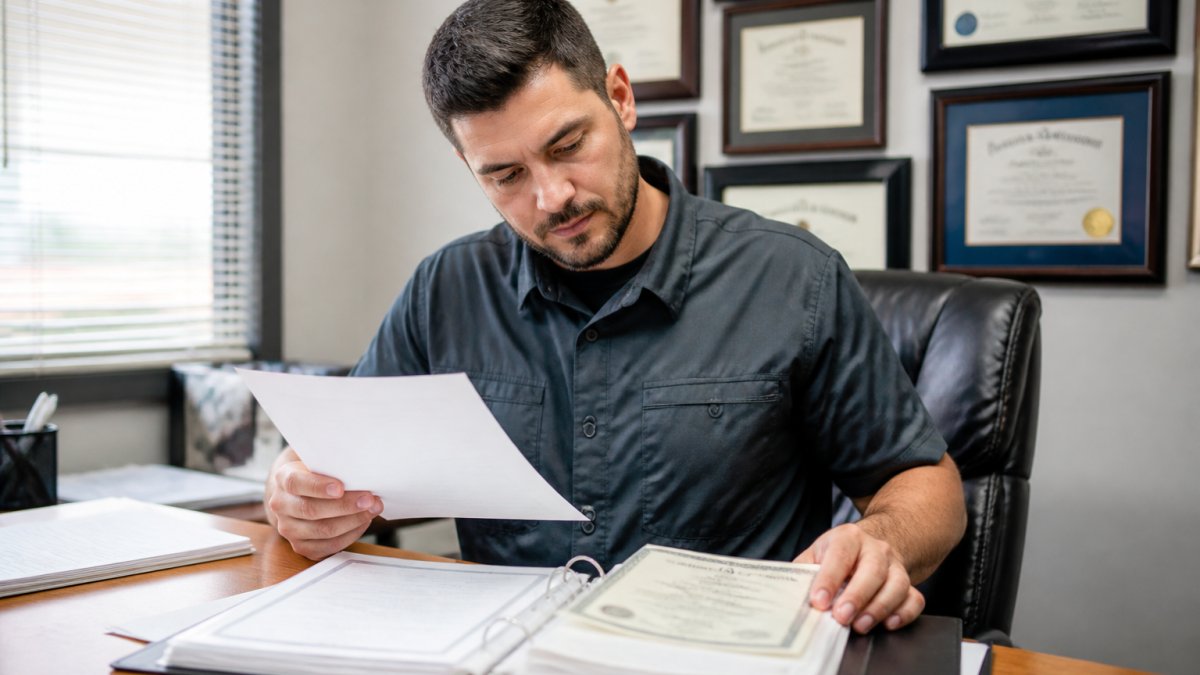
When you’re evaluating inspectors, focus on three core areas: professional credentials, the actual inspection scope, and how they communicate findings. An inspector’s certification level directly impacts the depth of their analysis. Their willingness to use advanced tools like thermal imaging reveals whether they’re committed to finding problems others miss. And their approach to explaining results, whether you get a jargon-filled report or a conversational walkthrough, determines whether you actually understand what you’re buying.
The cost of hiring the wrong inspector compounds quickly. A missed structural issue, undetected mold, or overlooked electrical hazard can cost thousands to remediate after closing. Conversely, a thorough inspector who identifies problems early gives you use to negotiate repairs or price adjustments before you’re locked into ownership. That’s why the vetting process matters more than the upfront fee.
Verify Professional Licensing and Certification
Your first filter is professional licensing. Home inspectors operate under varying state regulations, and not all states require the same level of certification. In many jurisdictions, licensing requirements specify minimum training hours, continuing education, and adherence to inspection standards. Before you hire anyone, confirm they hold a current license in your state and that it’s verifiable through your state’s regulatory body.
Beyond basic licensing, look for membership in professional associations. The American Society of Home Inspectors (ASHI) maintains a directory of certified inspectors who adhere to strict codes of ethics and standardized inspection protocols. InterNACHI (International Association of Certified Home Inspectors) offers another respected credential pathway. Membership in these organizations signals that an inspector commits to ongoing professional development and submits to peer review. It’s not a guarantee of quality, but it’s a meaningful filter.
The most rigorous credential is a Master Certified Home Inspector designation, typically awarded after years of documented inspections and advanced training. This level of certification indicates an inspector has completed hundreds or thousands of inspections and demonstrated expertise beyond the baseline. When you’re choosing between local home inspectors, prioritize those who hold this advanced certification, they’ve proven their commitment to the profession through sustained effort and continuing education.
Ask for proof of licensing and certification before scheduling. Reputable inspectors display these credentials prominently and provide verification without hesitation. If an inspector seems evasive about documentation or can’t immediately provide proof, move to the next candidate. This is non-negotiable due diligence.
Benefits of a Master Certified Home Inspector
A Master Certified Home Inspector brings measurable advantages that justify prioritizing this credential when choosing between local home inspectors. These professionals have typically completed 1,000+ documented inspections and maintained active membership in professional organizations for extended periods. They’ve encountered nearly every type of property defect and know how problems present themselves across different building ages, styles, and climates.
The practical benefit is depth of analysis. A master-level inspector recognizes subtle indicators of foundation movement, early-stage water intrusion, or electrical code violations that less experienced inspectors might overlook. They understand how regional building practices affect property vulnerabilities, knowledge that comes only from years of consistent, documented work. This expertise translates directly into more thorough reports and better protection for your interests.
Master Certified inspectors also typically invest in advanced diagnostic tools. Thermal imaging, moisture meters, and other specialized equipment reveal problems hidden from visual inspection alone. When you’re choosing between local home inspectors, those with master-level credentials are more likely to have invested in this technology and know how to interpret results correctly. The combination of experience and tools creates a significantly more complete picture of property condition.
Beyond technical skill, master-level inspectors tend to communicate findings more effectively. They’ve explained thousands of inspection results to buyers with varying levels of construction knowledge. They know which details matter most, how to prioritize concerns, and how to present information in ways that help your decision-making. This clarity is worth significant value when you’re interpreting a complex property evaluation.
Essential Questions to Ask a Home Inspector
Before you commit to any inspector, conduct a brief interview. The questions you ask reveal whether they understand your needs and have the depth of expertise you require. Start with their background: How many inspections have they completed? How long have they been in business? What’s their certification level and professional association membership? These answers establish credibility and experience baseline.
Next, ask about their inspection process. What’s their standard scope of work? Do they inspect the roof, attic, and crawl space? Will they test HVAC systems and verify electrical panels? Do they assess plumbing under pressure? The comprehensiveness of their standard inspection matters, some inspectors offer bare-minimum walkthroughs while others conduct exhaustive multi-hour evaluations. Clarify what’s included before you hire.
Inquire about specialized services and add-ons. Can they perform radon testing, mold assessment, pool inspection, or foundation evaluation? These ancillary services often save you the cost of hiring separate specialists and provide continuity in your property evaluation. A thorough inspector can identify when specialized assessment is warranted and coordinate testing efficiently. Identifying structural or environmental concerns during the inspection process often serves as the necessary precursor to hiring local exterior contractors for any required remediation work.
Ask about their reporting timeline and format. Will you receive a same-day report, or does it take days? Is the report digital or printed? Can you access it online? How detailed are the photographs and descriptions? Clear, timely reporting matters because you often need to make decisions quickly in real estate transactions. An inspector who delivers comprehensive results the same day gives you immediate clarity.
Finally, ask about their communication approach. Will they walk you through findings during the inspection? Can you reach them with follow-up questions after the report? Do they explain issues in plain language or assume construction knowledge? Your comfort with their communication style directly impacts how well you understand the property condition and what problems actually require attention.
How Long Does a Home Inspection Take and What’s Included
A standard home inspection typically requires 2-4 hours depending on property size, age, and complexity (What is a Home Inspection?). Smaller homes or newer construction might take 2-3 hours, while larger properties or homes with multiple systems to evaluate often require 3-4 hours or longer. Don’t expect a thorough inspection to be quick, if an inspector finishes in under 90 minutes, they’re likely cutting corners on due diligence.
What’s included in a comprehensive inspection covers all major systems and components. The inspector examines the foundation and structural elements, roof condition and framing, exterior walls and drainage, interior walls and ceilings, flooring and stairs, doors and windows, kitchen and bathroom fixtures, electrical panel and wiring, plumbing systems and water pressure, HVAC equipment and ductwork, insulation and ventilation, and any attached structures like garages or decks. This scope of work ensures nothing significant gets overlooked.
The inspection also includes assessment of property condition and identification of items needing repair or replacement. The inspector documents defects, safety hazards, and maintenance issues. They note whether components are functioning properly or showing signs of age, wear, or damage. This detailed inventory becomes your roadmap for negotiation and post-closing planning.
When choosing between local home inspectors, confirm what’s included in their standard fee and what costs extra.
Advanced Tools: Infrared Thermal Imaging Home Inspection Technology
Infrared thermal imaging has become essential for identifying problems that visual inspection alone cannot detect. This technology uses specialized cameras to capture heat signatures and temperature variations across building surfaces. Temperature differences reveal moisture intrusion, missing insulation, air leaks, and electrical hotspots that indicate dangerous conditions or energy waste.
Red Flags When Selecting an Inspector
Certain warning signs indicate an inspector isn’t qualified or won’t serve your interests well. Avoid inspectors who pressure you to decide quickly, offer unusually low pricing, or seem dismissive of your questions. These patterns suggest they’re prioritizing volume over quality or lack confidence in their methodology.
Conclusion
Choosing between local home inspectors determines the quality of information you’ll use to make one of the largest financial decisions of your life. Prioritize certified professionals with master-level credentials, verifiable insurance, and commitment to advanced diagnostic tools. Ask detailed questions about their process, scope, and communication approach. Demand transparency about credentials and avoid inspectors with obvious conflicts of interest.
Frequently Asked Questions
What certifications should a qualified home inspector hold?
A qualified home inspector should hold credentials from recognized professional associations such as ASHI (American Society of Home Inspectors) or InterNACHI. Look for state licensing where required, and specialized certifications like Certified Master Inspector, Certified Residential Mold Inspector, or Certified Pool Inspector depending on your property’s needs. These certifications demonstrate commitment to continuing education and adherence to strict standards of practice and code compliance.
Should I hire the inspector recommended by my real estate agent?
While agent referrals can be helpful, approach them carefully due to potential conflicts of interest. Agents may refer inspectors who are unlikely to report serious defects that could delay a transaction. Always verify the recommended inspector’s credentials independently, check their liability insurance and errors and omissions coverage, and read unbiased third-party reviews. Consider selecting your own inspector to ensure an unbiased assessment of the property condition.
How much do home inspections typically cost?
Home inspection pricing varies based on property size, age, complexity, and location. Factors like thermal imaging, drone assessment, mold testing, and pool inspection add-ons may increase the base fee. Contact inspectors directly for accurate quotes rather than relying on estimates, as pricing depends on your specific property’s scope of work and the inspector’s service level and experience.
What is the biggest red flag during a home inspection?
Structural integrity issues represent the most serious red flag, including foundation cracks, settling, or water damage affecting the home’s stability. Other critical concerns include electrical system hazards, active mold, roof failure, and plumbing problems. An experienced inspector using advanced tools like thermal imaging can identify hidden defects. Request detailed repair estimates for any major findings before proceeding with your real estate transaction.