
Table of Contents
- What Is a Home Inspection and Why It Matters
- How Long Does a Home Inspection Take
- What Home Inspectors Check During the Walkthrough
- Home Inspection Checklist for Buyers
- Questions to Ask Your Home Inspector
- Understanding Your Inspection Report and Findings
- Post-Inspection Negotiation and Next Steps
- Specialized Inspections for Specific Property Types
- Frequently Asked Questions
Last Updated: September 30, 2026
What Is a Home Inspection and Why It Matters
A home inspection is a comprehensive, non-invasive examination of a property’s physical structure and systems conducted by a certified professional. It identifies defects, safety hazards, and maintenance issues that could affect your decision to purchase or your property’s resale value.
For buyers, a home inspection serves as due diligence before closing. You’re investing one of the largest sums of your life, often hundreds of thousands of dollars. An inspection reveals hidden problems that a visual walkthrough won’t catch. For sellers, inspections identify issues early so you can address them before listing, avoiding surprise negotiations or failed deals. At Zenith Property Inspections, we help buyers and sellers understand their properties’ true condition, enabling confident decisions backed by detailed, professional assessments.
The inspection process goes beyond surface-level observation. Modern inspectors use advanced tools like infrared thermal imaging and drone technology to detect moisture intrusion, electrical problems, and structural concerns invisible to the naked eye. These findings become your roadmap for negotiation, repair prioritization, or peace of mind at closing.
How Long Does a Home Inspection Take
Most home inspections take between two and four hours, depending on the property’s size, age, and complexity. A typical single-family home of 2,000 square feet usually requires about three hours. Older homes often take longer because inspectors must examine outdated systems and potential structural issues more carefully.
The timeline varies by property type. A newer, smaller condo might finish in 90 minutes. A multi-unit rental property or a home with a pool, detached structures, or significant square footage could stretch to five hours or more. Weather also affects duration, inspecting a roof in rain or snow takes longer than clear conditions.
During the inspection, the inspector systematically walks through every accessible area: attic, basement, crawl spaces, interior rooms, exterior perimeter, and roof. They test mechanical systems, examine plumbing fixtures, check electrical panels, and document findings. Many inspectors now schedule same-day reporting, delivering your findings promptly, so you can make decisions quickly during the critical negotiation window.
What Home Inspectors Check During the Walkthrough
A thorough home inspection covers every major system and structural component. The inspector evaluates building codes compliance, identifies safety hazards, and documents the condition of everything that affects the property’s habitability and value.
Structural Integrity and Foundation
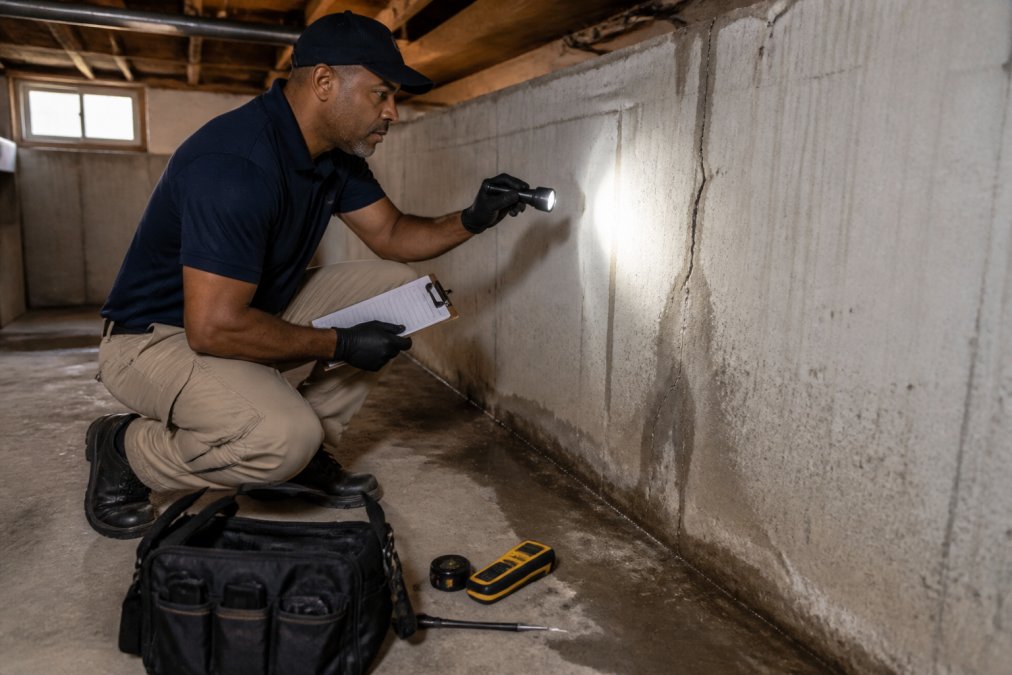
The foundation is the property’s anchor. Inspectors examine it for cracks, settling, water intrusion, and deterioration. They look for horizontal cracks (which indicate pressure and are serious), vertical cracks (often cosmetic), and signs of previous repairs or patching. Crawl spaces are checked for rot, pest damage, and proper ventilation. Basements are assessed for moisture, efflorescence (white mineral deposits), and water staining that signals past or ongoing leaks.
Foundation problems are expensive to fix and affect the entire structure’s stability.
Mechanical Systems and HVAC
The heating, ventilation, and air conditioning system is one of the most expensive components to replace. Inspectors evaluate the furnace or heat pump, air conditioning unit, ductwork, and thermostat. They check age, maintenance history, and operational efficiency. An HVAC system nearing the end of its lifespan might require replacement within one to five years, a cost that influences your offer or negotiation strategy.
Electrical Wiring and Plumbing
Electrical safety is critical. Inspectors examine the main electrical panel, circuit breakers, grounding, and wiring throughout the home. They test outlets, switches, and fixtures to ensure they’re functioning safely. Outdated wiring (such as knob-and-tube or aluminum wiring) is flagged because it poses fire and shock hazards. The inspector notes whether the panel has adequate capacity for modern appliance loads and identifies any double-tapped breakers or missing breaker covers.
Roof Condition and Attic Insulation
The roof protects everything beneath it. Inspectors examine shingles, flashing, gutters, downspouts, and ventilation. They assess the roof’s age, visible damage, and remaining lifespan. Asphalt shingles typically last 15-20 years; metal roofs last 40-70 years. Missing or damaged shingles, improper flashing around chimneys and vents, and signs of leaks are documented. The inspector also checks for proper attic ventilation, which prevents moisture buildup and premature roof deterioration.
Home Inspection Checklist for Buyers
Use this checklist to prepare for your inspection and understand what areas will be evaluated. This list helps you ask informed questions and follow along during the walkthrough.
| System/Area | What to Expect | Key Concerns |
|---|---|---|
| Foundation & Structure | Cracks, settling, moisture, grading | Horizontal cracks, water intrusion, foundation repair history |
| Roof & Attic | Age, shingles, flashing, ventilation, insulation | Missing shingles, leaks, insufficient insulation, poor ventilation |
| Electrical | Panel, wiring, outlets, grounding, capacity | Outdated wiring, double-tapped breakers, inadequate capacity |
| Plumbing | Pipes, water pressure, drains, water heater | Corrosion, leaks, low pressure, old galvanized pipes |
| HVAC | Furnace/heat pump, AC unit, ductwork, thermostat | Age, maintenance, leaks, inadequate capacity |
| Exterior | Siding, windows, doors, drainage, landscaping | Rot, damage, improper grading, clogged gutters |
| Interior | Walls, ceilings, flooring, doors, fixtures | Water stains, mold, structural cracks, damaged fixtures |
| Safety Systems | Smoke detectors, carbon monoxide detectors, fire extinguishers | Missing detectors, expired batteries, inoperable units |
Questions to Ask Your Home Inspector
Asking the right questions deepens your understanding of the property’s condition and the inspector’s expertise. Here are essential questions to ask during and after the walkthrough.
During the Inspection:
- “What’s the estimated remaining lifespan of the roof, HVAC system, and water heater?”
- “Are there any safety hazards I should know about immediately?”
- “What maintenance issues should I prioritize?”
- “Do you recommend any specialist inspections (mold, radon, structural engineer)?”
- “How old is this foundation, and are those cracks normal settling or a concern?”
- “Is the electrical panel adequate for modern loads, or would an upgrade be needed?”
After the Inspection:
- “Can you walk me through the report and explain findings in plain language?”
- “Which issues are cosmetic, which are maintenance, and which are safety concerns?”
- “What’s the estimated cost to address major issues?”
- “Are there any red flags that would make you hesitant to purchase this property?”
- “What certifications and insurance do you carry?” Hidden plumbing defects often require a specialized sewer video inspection to determine if the underground lines are compromised or nearing the end of their functional lifespan.
Understanding Your Inspection Report and Findings
Your inspection report is a detailed document that translates the inspector’s observations into actionable information. Learning to read it properly prevents misunderstandings during negotiation and helps you plan future maintenance.
Post-Inspection Negotiation and Next Steps
After receiving your inspection report, you have several options depending on what was found and your contract terms. Most purchase agreements include an inspection contingency, a period during which you can request repairs, credits, or price reductions based on findings.
Specialized Inspections for Specific Property Types
Some properties require additional expertise beyond a standard home inspection. Older homes, luxury properties, multi-unit buildings, and homes with specific features often benefit from specialist evaluations.
Frequently Asked Questions
What is the biggest red flag in a home inspection?
Structural issues affecting the foundation represent the most serious finding in any home inspection. Cracks in the foundation, water damage, or settling can indicate problems that cost tens of thousands to repair. Other critical red flags include outdated electrical wiring, roof damage requiring imminent replacement, and evidence of active mold or moisture intrusion. These findings typically trigger repair negotiations or affect your decision to proceed with the purchase.
How long does a typical home inspection take?
Most home inspections take 2 to 4 hours, depending on the property size, age, and condition. Larger homes or older properties with more systems to evaluate may require additional time. The inspector will conduct a thorough visual assessment of all accessible areas, including the attic, basement, crawl spaces, and exterior. Same-day reporting ensures you receive findings and recommendations promptly after the inspection concludes.
Should I be present during the home inspection?
Yes, attending your home inspection is highly recommended. Your presence allows you to ask questions directly, understand the inspector’s findings in real time, and learn about the property’s maintenance history. The inspector can point out areas needing attention and explain what repairs or maintenance may be necessary. This hands-on understanding helps you make informed decisions during repair negotiations and prepares you for homeownership responsibilities.
What does a home inspection checklist for buyers typically include?
A comprehensive home inspection checklist covers structural integrity, foundation condition, roof and attic insulation, HVAC systems, electrical wiring, plumbing, windows and doors, and interior finishes. Inspectors also assess safety hazards, building code compliance, and areas with limited visibility using advanced tools like thermal imaging. The checklist ensures nothing is overlooked and helps buyers understand the property’s true condition before closing.
What items will fail a home inspection?
Items that commonly fail inspection include outdated electrical panels, non-functional HVAC systems, roof damage or age beyond expected lifespan, plumbing issues like galvanized pipes or active leaks, foundation cracks, mold or moisture damage, and safety hazards such as missing handrails or improper grounding. A failed inspection doesn’t necessarily prevent purchase; instead, it provides due diligence documentation for repair negotiations or price adjustments.
What do home inspectors not look for?
Standard home inspections do not include pest inspections, mold testing, radon testing, or asbestos surveys, though some inspectors offer these as separate services. Inspectors also don’t evaluate cosmetic issues, provide cost estimates for repairs, or inspect items not permanently installed. For properties with pools, specialized pool inspectors are recommended. Rental income potential and property value assessments fall outside the scope of a visual inspection.
When should I hire a specialist inspector?
Consider hiring a specialist when the initial inspection reveals potential issues requiring expert evaluation. Certified mold inspectors assess moisture and mold concerns, pool inspectors evaluate pool systems and safety, and structural engineers investigate foundation or framing problems. For multi-unit or luxury properties with complex systems, specialized expertise ensures thorough evaluation of all property components before you commit to purchase or listing.