
Quick Summary
A home inspector career starts with checking your state’s licensing requirements, since there is no federal license. Most paths then combine pre-licensing education, a required exam, and supervised field experience before you work independently. Median pay for the broader occupation was $74,690 per year, but first-year income depends on building a client base.
- Verify your state’s licensing requirements from the official board before buying any training.
- Complete pre-licensing education that matches your state’s standards of practice and required hours.
- Shadow an established inspector and have a mentor review your reports before clients see them.
- Budget for insurance, tools, software, marketing, and renewal costs in your first year.
- Consider specialty certifications like radon or mold to widen your services and justify higher fees.
Table of Contents
- Is a Home Inspector Career Worth Pursuing?
- How to Become a Home Inspector: Step by Step
- Home Inspector License Requirements by State
- Home Inspector Salary and First-Year Financial Planning
- Where Home Inspector Jobs Are and How to Land Them
- Specialty Certifications and Long-Term Career Growth
- Your Next Step Toward a Home Inspection Career
- Frequently Asked Questions
Last Updated: November 5, 2026)
Is a Home Inspector Career Worth Pursuing?
The U.S. Bureau of Labor Statistics reports that a home inspector career in the construction and building inspection field had a median annual pay of $74,690, or $35.91 per hour. That is a solid benchmark, though home inspectors’ earnings depend heavily on whether they work for a firm or run their own business. (U.S. Bureau of Labor Statistics, Occupational Outlook Handbook)
Still, the work has real drawbacks to weigh:
Pros:
- Clear entry path with training you can complete in months, not years
- Flexible scheduling once you’re established
- Work is hands-on and varied, with no two houses alike
- Strong demand from buyers, sellers, and lenders
Cons:
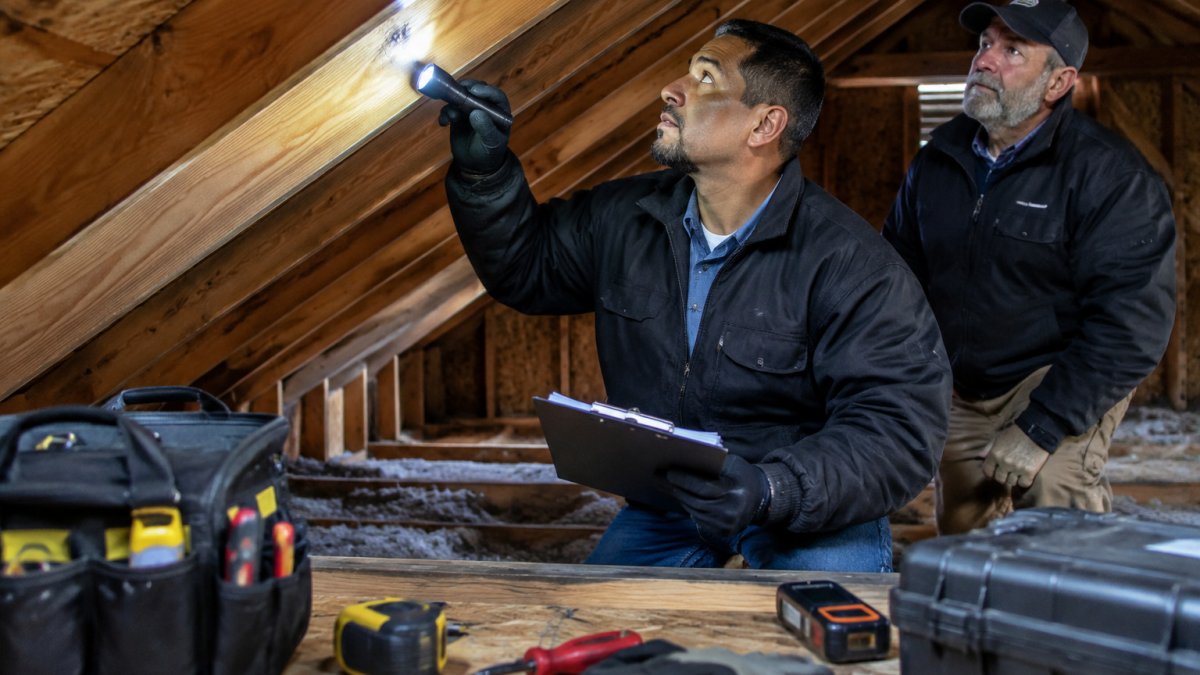
- Physical demands: crawl spaces, attics, and roofs
- Income is uneven while you build a client base
- Liability exposure if reports miss something important
- Weekend and early-morning appointments are common
How to Become a Home Inspector: Step by Step
Think of this as a sequence of decisions rather than a checklist. Each step builds on the last.
- Check your state’s requirements first. Licensing rules vary by state. HomeGauge advises prospective inspectors to identify their state’s requirements and the training needed before spending money on courses. (HomeGauge guide to becoming a home inspector)
- Complete pre-licensing education. Many states set a required number of training hours.
- Pass the required exam.
- Gain supervised field experience. Many states require a number of supervised inspections before you can work independently.
- Carry required insurance and set up your business.
- Keep current with standards and add specialties.
Education and Pre-Licensing Training
Pre-licensing courses cover building systems, inspection standards, and report writing. Look for a program that teaches the standards of practice your state uses, not generic material.
Watch out: a cheap course that doesn’t match your state’s requirements can cost you the time and money you were trying to save.
Gaining Supervised Field Experience and Mentorship
Field experience is where most of the learning happens. Ask an established inspector whether you can shadow them on a few inspections, and offer to help with setup and note-taking in exchange.
A good mentor will walk you through what they look for in each system, from roofing and electrical to plumbing and heating and cooling. Ask them to review a few of your reports before you send any to clients.
Home Inspector License Requirements by State
Licensing is the single biggest variable in this career path, and it is where most prospective inspectors lose time and money. There is no federal home inspector license.
Pattern 1: State licensure with defined hours, exam, and supervised inspections. Many states regulate home inspectors directly. Requirements typically include pre-licensing education hours, a passing score on a state-approved exam, a set number of supervised inspections, and proof of insurance before advertising.
Pattern 2: State licensure with a lighter touch. Some states license inspectors with lower entry barriers, so requirements differ from state to state.
Pattern 3: No state license. Some states do not license home inspectors at the state level. That does not mean no rules apply.
How to Verify Your State’s Requirements in Under an Hour
Do not rely on a training provider’s summary of your state’s rules, providers have an incentive to describe requirements in the way that sells their course. Verify at the source:
- Search your state’s official licensing portal for the board or agency that regulates home inspectors. In many states this sits under a department of professional regulation, a real estate commission, or a consumer affairs division.
- Download the current statute or administrative rule, not a blog summary. Look specifically for four numbers: required education hours, exam name and passing score, number of supervised inspections, and insurance minimums.
- Confirm the exam. Some states use a national exam (for example, the National Home Inspector Examination) while others use a state-written exam. A course that prepares you for the wrong exam is money wasted.
- Check reciprocity. If you plan to move or work across a state line, ask whether your license transfers or whether you will need to re-test.
- Note the renewal cycle. Most licenses renew every one to two years and require continuing education hours; build that cost and time into your plan from day one.
Watch out: requirements change between legislative sessions, and a course you bought two years ago may no longer satisfy the current education-hour rule. Re-verify against the state’s own page immediately before you enroll, and keep dated screenshots of what the rule said when you registered.
What This Means for Your Training Choice
The order of operations matters. Pick your state first, pull the exact requirements, then choose a pre-licensing program that maps to those requirements line by line. A program that teaches the standards of practice your state enforces, and that documents your hours in the format the board accepts, is worth more than a cheaper course that leaves you short at application time. For a deeper look at how credentials stack, read The Complete Guide to Home Inspector Credentials.
The article breaks state licensing into three patterns, so a quick comparison helps a reader see how requirements differ.
| Pattern | What it means | What to check |
|---|---|---|
| State licensure with defined hours and exam | Education hours, state-approved exam, supervised inspections, insurance | Exact figures from your licensing board |
| State licensure, lighter touch | Lower entry barriers that vary by state | Whether earlier rules need topping up later |
| No state license | National certifications and local rules act as gatekeepers | Brokerage and lender certification requirements |
Home Inspector Salary and First-Year Financial Planning
Published median pay for construction and building inspectors is a benchmark for the occupation as a whole, but it tells you little about your first twelve months. Income in year one often depends on completed inspections, which in turn depend on referrals you have not yet built. Plan around that reality rather than around a salary figure.
The First-Year Cost Stack
Startup costs fall into categories that are easy to underestimate when you add them up one at a time. Get current quotes for each rather than relying on a single bundled estimate:
- Pre-licensing education and exam fees. Varies by state and provider; budget for the course, the exam registration, and a retake in case you miss the passing score.
- Tools and equipment. A basic inspection kit (moisture meter, GFCI tester, gas leak detector, flashlight, ladder, camera, tablet) plus the specialty gear you will eventually add. Ladders and safety equipment are where new inspectors most often under-buy.
- Insurance. General liability and errors-and-omissions coverage are the two lines that matter most; some states require E&O before licensure. Premiums depend on coverage limits, revenue projections, and claims history, so quote both before you commit.
- Software and reporting. Inspection report software, scheduling, and payment processing are usually subscription-based. Add the cost of a website and a business phone line if you are going independent.
- Business formation and licensing. Entity formation, a business bank account, and any local business license or bond.
- Marketing. The first year is when marketing spend is highest relative to revenue, because you are buying awareness rather than riding referrals.
- Continuing education and association dues. Budget for the renewal cycle from the start so it does not surprise you in month twelve.
The Inspection-Volume Math
Work backward from the number of inspections you can realistically complete. A solo inspector’s capacity is limited by inspection length, drive time, report writing, and the fact that most inspections cluster in the same windows. A common pattern is that new inspectors complete far fewer inspections per week in their first months than established inspectors do, because demand has to be built. Multiply your planned inspections per month by your fee, then subtract the cost stack above and a reserve for callbacks and re-inspections. That number, not the BLS median, is your realistic first-year income.
Seasonality matters too. In much of the country, inspection volume tracks the real estate transaction cycle, which slows in winter and during periods of higher interest rates. A first-year plan that assumes steady monthly volume will look optimistic by February.
A Break-Even Frame
Rather than guessing at a break-even month, track three numbers monthly: inspections completed, average fee per inspection, and total operating cost. Break-even is the month when inspections multiplied by average fee first exceeds operating cost. A cash reserve covering several months of fixed costs can help a new inspector manage the period before going independent.
Watch out: pricing too low to win early clients is a common first-year trap. A fee that does not cover your cost per inspection plus a reserve for liability and callbacks does not build a business, it builds a schedule you cannot afford to keep. Pricing inspections to sustain a reserve is part of launching a business that can weather slow periods and unexpected costs.
Where Home Inspector Jobs Are and How to Land Them
Many new inspectors start by working for an established inspection firm, which handles scheduling, marketing, and client intake while you learn. Others go straight into self-employment.
If you’re looking for employment, compare local firms on how they train new hires, how many inspections they run each week, and whether they support continuing education. Comparing Home Inspection Firms: A Buyer’s Guide walks through what to look for.
Specialty Certifications and Long-Term Career Growth
Specialty credentials can widen your work. The ICA School lists radon, mold, commercial inspection, and infrared thermography as certifications inspectors can add. Each one can justify a higher fee and attract clients who need that specific service.
Advanced credentials can also set you apart over time. Master Certified Home Inspector Benefits explains what master-level recognition can mean for your practice, and Certified Master Inspector Qualifications Explained covers the requirements.
Professional associations are useful for staying current. The American Society of Home Inspectors describes its resources as helping inspectors keep up with standards of practice and state regulations. (American Society of Home Inspectors resources)
Your Next Step Toward a Home Inspection Career
Start by looking up your state’s licensing requirements this week. Then pick one training program that matches them and contact one local inspector about shadowing. At Zenith Property Inspections, we work with a minority-owned, Northern California team led by a National Housing Code Certified Master Inspector, so newer inspectors can see high-standard work up close. Ready to see what a thorough inspection looks like? Schedule Your Inspection with us, including weekend appointments and same-day reports.
Frequently Asked Questions
Is becoming a home inspector a good career?
For many people it is. The U.S. Bureau of Labor Statistics publishes pay and employment projections for construction and building inspectors. Earnings depend heavily on how many inspections you complete, whether you run your own business, and whether you add specialties such as radon, mold, or thermal imaging. Sustained work requires physical stamina, good reporting skills, and a willingness to keep up with licensing and standards of practice.
Do home inspectors need a license?
Licensing requirements vary by state, so there is no single national rule. Some states require a state license with pre-licensing education, exam passage, and proof of supervised inspections, while others have lighter or no statewide licensing. Check your state’s licensing board before enrolling in training, because the required hours, exams, and insurance rules differ.
How long does it take to become a home inspector?
Timelines depend on your state’s requirements and how quickly you complete training and field experience. Pre-licensing coursework can often be finished in a few months, but many states also require a set number of supervised inspections before you can work independently, which usually takes additional months.
What skills do you need to be a successful home inspector?
Strong technical knowledge of building systems is the foundation, including structural components, roofing, electrical systems, plumbing, and heating and cooling. Attention to detail matters because a missed defect can create liability. Clear written reports and the ability to explain findings to clients who are not construction experts are equally important. Physical stamina for crawl spaces, attics, and roofs is also a practical requirement.
