
Table of Contents
- What You’ll Need Before You Start
- How to Spot Structural Cracks in Walls
- Foundation Problems in a Home: What to Look For
- Identifying Sloping Floors in a House
- Doors, Windows, and Gaps: Early Warning Signs
- Exterior Inspection: Brickwork, Chimneys, and Bulging Walls
- When to Hire a Structural Engineer
- Common Mistakes to Avoid During Your Inspection
- Frequently Asked Questions
Last Updated: October 7, 2026
What You’ll Need Before You Start
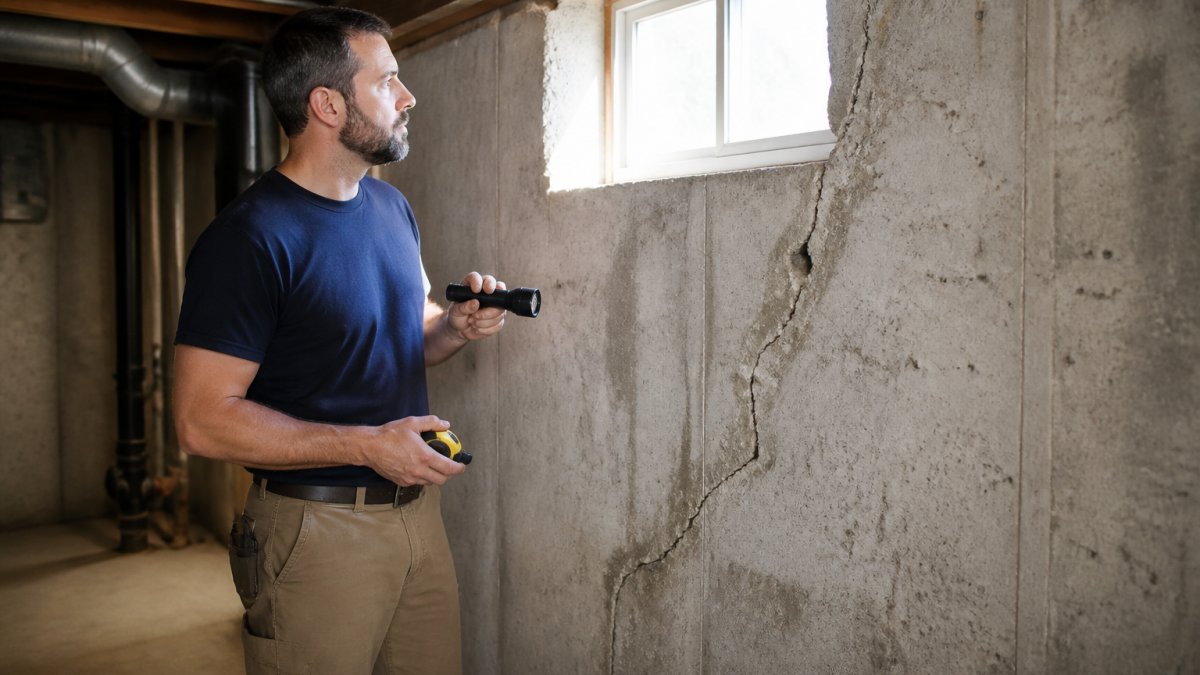
Before you begin inspecting your home for structural issues, gather a few basic tools. You’ll need a flashlight to see into dark corners and crawl spaces. A straightedge or level helps you check if floors are sloping. A measuring tape lets you track crack sizes over time.
Wear comfortable clothes you don’t mind getting dirty. You’ll be moving through attics, basements, and crawl spaces. Bring a mask if you’re sensitive to dust. Consider wearing gloves when handling old materials.
The goal isn’t to become an engineer. It’s to spot structural home issues early and know when to call a professional. At Zenith Property Inspections, we help homeowners understand what they’re seeing so they can make informed decisions about their property.
How to Spot Structural Cracks in Walls
Cracks in walls are common, but not all cracks signal structural damage. Some are cosmetic and pose no threat. Others indicate serious foundation movement or settling that requires immediate attention.
Start by examining walls in different rooms. Look at interior walls, exterior walls, and walls near corners. Pay special attention to areas where walls meet ceilings and where windows and doors are framed.
Distinguishing Cosmetic from Structural Cracks
Cosmetic cracks are typically hairline thin, less than 1/8 inch wide. They run in random directions and often appear in new homes as materials settle. These cracks don’t indicate structural problems.
Structural cracks are wider and follow specific patterns. A vertical crack running straight up a wall suggests foundation settling. Horizontal cracks, especially near the middle of a wall, can indicate serious pressure from soil or water pushing inward.
The width matters. Cracks wider than 1/4 inch deserve professional attention. Cracks that keep growing month to month are a red flag. If you see cracks on both sides of a wall (interior and exterior), the problem runs deep.
Location tells a story too. Cracks clustered around windows and doors suggest the foundation is shifting. Cracks in the basement or crawl space are more concerning than cracks in upper floors. Water staining around cracks indicates moisture is entering, which accelerates damage.
Monitoring Crack Progression Over Time
Document what you find. Take photos of cracks from the same angle each month. Mark the crack endpoints with a pencil so you can measure growth. Use a ruler in your photos to show the crack’s width.
Track changes in a simple spreadsheet. Note the date, location, width, and any new cracks you spot. This record becomes valuable if you need to hire a structural engineer later.
Some cracks grow quickly. Others stay stable for years. Movement that happens over weeks rather than months suggests active foundation problems. Stable cracks that haven’t changed in a year are less urgent but still worth monitoring.
Foundation Problems in a Home: What to Look For
The foundation is your home’s most critical structural element. Problems here cascade upward, causing cracks in walls, doors that stick, and uneven floors. Catching foundation issues early saves money and prevents safety hazards.
Foundation Movement and Settling
All homes settle slightly as soil compacts under their weight. This is normal. Excessive settling or uneven settling causes problems.
Walk around your home’s exterior. Look for gaps between the foundation and the soil. Soil pulling away from the foundation creates pockets where water collects. This water pushes against the foundation, causing cracks and bowing.
Check the foundation’s surface for horizontal cracks or signs of bulging. Bulging walls indicate soil pressure is pushing inward. Bowing walls, where the wall curves outward, suggest the foundation is failing. Leaning walls that tilt at an angle are a serious safety concern.
Look at the mortar between foundation blocks or bricks. Crumbling mortar means the foundation is deteriorating. Cracks running through the mortar pattern show movement is occurring.
Water Intrusion and Moisture Damage
Water is the enemy of structural integrity. It weakens concrete, rusts steel reinforcement, and rots wood. Moisture damage often precedes visible structural failure.
Check your basement or crawl space for damp patches on walls or floors. Musty odors indicate moisture is present. Efflorescence, a white powdery coating on concrete, shows water is moving through the foundation.
Look for water stains on walls. These mark where water entered during heavy rains or snow melt. Stains that appear seasonally suggest drainage problems around the foundation.
Inspect the foundation for cracks where water could enter. Even hairline cracks let moisture seep in. Water intrusion accelerates structural damage by expanding and contracting with temperature changes. Severe weather events often exacerbate these vulnerabilities, making identifying storm damage a critical step in maintaining the long-term integrity of your home’s exterior.
Identifying Sloping Floors in a House
Uneven floors are one of the most obvious signs of structural problems. Sloping floors in a house indicate foundation movement, settling, or beam failure. They’re also a safety hazard if the slope is severe.
Test your floors with a level. Place it on the floor in different rooms and check if the bubble moves.
Walk through your home and notice how you feel. Do you sense a slope? Do you feel like you’re walking downhill in certain rooms? Trust your instincts. Your body is sensitive to uneven surfaces.
Check for sagging floors visually. Look at door frames and window frames to see if they’re level. Sagging floors in a house often pull doors and windows out of square, making them stick or jam.
Look at where floors meet walls. Gaps between the floor and baseboard indicate the floor has settled or shifted. Large gaps suggest significant movement.
Doors, Windows, and Gaps: Early Warning Signs
Doors and windows that no longer work properly often signal foundation movement or structural settling. These are early warning signs that deserve attention.
Test every door and window in your home. Do they close smoothly? Do they stick or jam? Doors that stick near the top or bottom suggest the door frame has shifted. Windows that are hard to open or close indicate frame movement.
Look at the gaps around door and window frames. Consistent gaps on all sides mean the frame is level. Larger gaps on one side suggest the wall is settling unevenly.
Check the sills and frames for cracks. Cracks in the masonry around windows often precede larger structural problems. Water can enter through these cracks, accelerating damage.
Pay attention to gaps between walls and ceilings. These gaps suggest the wall is settling relative to the floor above. Gaps around interior door frames indicate structural movement is occurring.
Exterior Inspection: Brickwork, Chimneys, and Bulging Walls
Your home’s exterior tells you a lot about its structural health. Spend time walking around the outside, examining the foundation, walls, and chimneys.
Look for cracks in brickwork and masonry. Stair-step cracks that follow the mortar pattern show foundation movement. Vertical cracks in the brick itself are less concerning than cracks in the mortar.
Examine chimneys carefully. Cracks or damage in chimneys often indicate foundation problems affecting the entire home. Chimneys that lean away from the house suggest significant settling.
Check for bulging walls. Walk along the exterior and look at the wall surface. Does it bow outward? Bulging walls mean soil pressure is pushing inward, causing structural stress.
Look at the foundation where it meets the soil. Is there a gap between the foundation and the ground? Soil pulling away creates pockets where water collects.
Inspect the exterior for water damage or staining. Dark stains indicate water has been entering. Efflorescence on the foundation shows water is moving through it.
When to Hire a Structural Engineer
Not every crack requires a structural engineer. But certain situations demand professional evaluation. If you’re unsure whether a problem is serious, hiring an engineer is the right call.
Call a structural engineer if you see:
- Cracks wider than 1/4 inch that are still growing
- Horizontal cracks in basement walls
- Bulging or bowing walls
- Sagging floors that slope more than 1/2 inch per 10 feet
- Doors and windows that suddenly stick or jam
- Large gaps appearing around door and window frames
- Crumbling masonry or mortar
- Water intrusion in basements or crawl spaces
- Chimneys that are leaning or cracked
An engineer can determine if a problem is cosmetic or structural. They can assess how urgent repairs are. They can recommend solutions and estimate costs.
What a Structural Inspection Involves
A structural engineer will examine your home thoroughly. They’ll inspect the foundation, looking for cracks, settling, and water damage. They’ll check the basement or crawl space for signs of moisture and beam deterioration.
The engineer will test floors for levelness and check for sagging. They’ll examine walls for bulging or bowing. They’ll inspect the roof structure to see if it’s sagging or damaged.
The engineer will look for evidence of past repairs. They’ll ask about the home’s history and any problems you’ve noticed. They’ll take measurements and photos. They’ll provide a detailed report explaining what they found and what it means.
A structural inspection costs less than waiting for problems to become emergencies. It gives you peace of mind and helps you make informed decisions about your home. At Zenith Property Inspections, we use advanced technology like drone imaging and thermal imaging to identify potential problem areas with limited visibility, providing you with comprehensive insights about your property’s condition.
Common Mistakes to Avoid During Your Inspection
Many homeowners make mistakes when inspecting for structural issues.
Don’t ignore small cracks thinking they’ll go away. Small cracks often grow over time. Document them and monitor their progression.
Don’t assume all cracks mean structural failure. Many cracks are cosmetic and pose no threat.
Don’t overlook moisture problems. Water damage often precedes visible structural failure. Damp basements and musty odors deserve attention.
Don’t forget to check the exterior. Many homeowners focus on interior cracks and miss serious problems outside.
Don’t wait if you see obvious warning signs. Bulging walls, horizontal cracks, or severely sloping floors require professional evaluation.
Don’t try to repair structural problems yourself. Structural repairs require engineering expertise and proper permits. Improper repairs can make problems worse.
Don’t assume your home inspector caught everything. Home inspectors do a visual walkthrough. They may miss subtle signs of structural movement.
|
Warning Sign |
Urgency Level |
Next Step |
|---|---|---|
|
Hairline cracks in walls |
Low |
Monitor over time |
|
Cracks wider than 1/4 inch |
Medium |
Call structural engineer |
|
Bulging or bowing walls |
High |
Call immediately |
|
Horizontal foundation cracks |
High |
Call immediately |
|
Doors/windows suddenly sticking |
Medium |
Inspect for foundation movement |
|
Sloping floors (>1/2 inch per 10 feet) |
High |
Call structural engineer |
|
Water in basement |
Medium |
Inspect foundation and drainage |
|
Crumbling masonry |
Medium |
Call structural engineer |
Spotting structural home issues early protects your investment and your family’s safety.
Frequently Asked Questions
What is the biggest red flag when you spot structural home issues?
Stair-step cracks in brickwork or masonry, combined with doors or windows that no longer close properly, are major red flags. When multiple warning signs appear together—such as foundation cracks, uneven floors, and gaps widening around frames—structural movement is likely occurring. Document these symptoms with photos and measurements, then contact a structural engineer immediately for assessment.
How can you tell if a crack in a wall is structural versus cosmetic?
Structural cracks are typically wider than 1/8 inch, follow a stair-step pattern in masonry, run at 45-degree angles, or appear alongside other damage like sticking doors or sloping floors. Cosmetic cracks are hairline-thin, isolated, and often result from paint settling. Monitor cracks over weeks or months; structural cracks grow noticeably, while cosmetic ones remain stable. Photograph and measure cracks to track progression accurately.
Are sloping floors in a house always a sign of structural problems?
Sloping floors can indicate foundation movement, beam sagging, or soil settling—all structural concerns requiring professional evaluation. However, minor slopes in older homes may be cosmetic. Use a level to measure the degree of slope. Slopes greater than 1/4 inch per 10 feet, combined with cracks or moisture damage, suggest structural issues. A structural engineer can determine whether the slope poses safety or resale risks.
When should you hire a structural engineer to assess foundation problems in a home?
Hire a structural engineer immediately if you notice foundation cracks wider than 1/4 inch, visible foundation movement, water pooling near the foundation, bowing or leaning walls, or multiple warning signs appearing simultaneously. A structural engineer will assess whether damage is active, determine the cause, and recommend repairs. For buyers, this inspection protects your investment; for sellers, it identifies issues before listing to avoid surprises during negotiations.