
Table of Contents
- Why Weekend Home Inspection Services Matter for Busy Buyers
- What to Expect During a Home Inspection
- Home Inspection Report Turnaround Time and What It Means
- Availability and Scheduling Flexibility for Weekend Appointments
- How to Choose a Qualified Inspector for Your Property
- Best Home Inspection Alternatives 2026
- Common Questions About Weekend Home Inspections
- Frequently Asked Questions
Last Updated: September 25, 2026
Why Weekend Home Inspection Services Matter for Busy Buyers
Scheduling a weekday home inspection is difficult when working full-time. Weekend home inspection services eliminate this conflict, letting you attend without taking time off work or rushing through the process.
A certified home inspector evaluates structural integrity, plumbing, electrical systems, HVAC, and foundation condition. This pre-purchase inspection protects you from costly surprises and gives you negotiation leverage if problems emerge.
Weekend appointments fit your schedule, not someone else’s. Same-day reporting means you get answers immediately, within your contingency window, with time to ask questions and understand findings clearly.
What to Expect During a Home Inspection
A home inspection typically lasts two to three hours. Be present so you can ask questions in real-time and understand what the inspector observes.
The inspection covers visible and accessible areas, roof to basement, cabinets, under sinks, and behind appliances, using professional-grade tools and documentation.
Structural and Foundation Assessment
The inspector evaluates foundation and structural integrity, looking for cracks, settling, water damage, and past repairs. Foundation problems are expensive to fix and directly impact negotiation leverage.
The roof receives particular attention. The inspector examines shingles, flashing, gutters, and interior signs of leaks, assessing remaining lifespan. Roof replacement can cost thousands, making pre-purchase assessment critical.
Plumbing, Electrical, and HVAC Systems
The inspector tests water pressure, checks for leaks, evaluates the water heater, and examines the electrical panel, identifying outdated wiring, inadequate grounding, or safety hazards.
HVAC assessment evaluates the furnace, heat pump, air conditioning unit, and ductwork, estimating remaining lifespan. System replacement can cost thousands, making pre-purchase assessment valuable.
Advanced Diagnostic Tools: Drone and Thermal Imaging
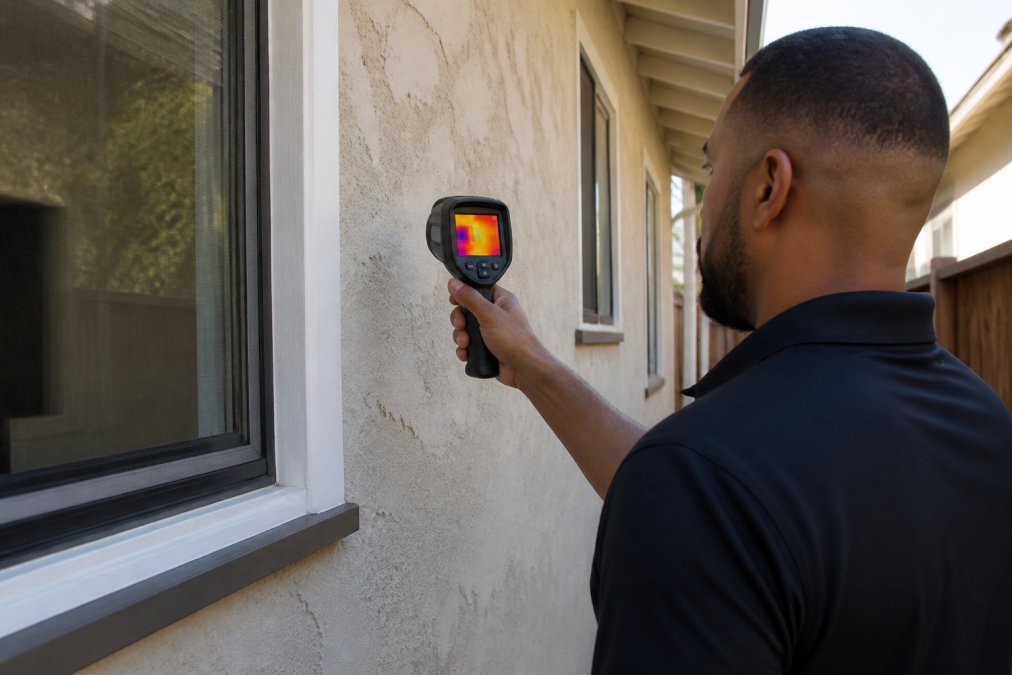
Thermal imaging detects temperature variations revealing moisture, insulation gaps, and electrical problems invisible to the naked eye, identifying potential issues standard inspections would miss.
Drone technology provides detailed roof and exterior views without ladders, keeping the process safer. Combined with thermal imaging, it creates more comprehensive assessment than traditional methods.
Home Inspection Report Turnaround Time and What It Means
Same-day reporting is standard. You receive a detailed report the same evening, giving you time to review findings and negotiate within your 48 to 72-hour window.
Understanding Report Structure and Severity Ratings
A quality report is organized by system (foundation, roof, exterior, plumbing, electrical, HVAC, interior, appliances) with photos, descriptions, and severity ratings. Rating systems vary by company.
Severity ratings determine negotiation strategy. “Minor” findings (caulking) aren’t worth negotiating. “Moderate” findings (water stains) warrant investigation. “Major” findings (mold, structural cracks, failing systems) are negotiation points or reasons to walk away.
Quality reports explain what findings mean practically. For example: “Roof is 18-20 years old with granule loss indicating weathering. Likely needs replacement within 3-5 years. Estimated cost: $8,000-$12,000.”
Interpreting Cost Estimates and Repair Urgency
Repair cost estimates in reports are approximations, not quotes. Use them as negotiation starting points, not definitive costs. Actual expenses depend on specific models, local labor rates, and repair versus replacement decisions.
Some findings require immediate attention (non-functioning furnace, active leaks, electrical hazards), while others can wait (cosmetic caulking, paint touch-ups). Reports should distinguish safety issues from routine maintenance.
Safety hazards take priority. If the report identifies electrical code violations, gas line issues, or structural concerns, these are non-negotiable. You should either request repairs before closing or ask for a credit large enough to hire a licensed contractor to fix the issue immediately after purchase.
Deferred maintenance is negotiable. Items like roof replacement, HVAC system replacement, or plumbing upgrades are expensive but not emergencies. You can request the seller make repairs, ask for a credit, or accept the property as-is and budget for repairs yourself.
Reading Reports Under Time Pressure: A Weekend Strategy
With a Saturday report and Monday deadline, prioritize efficiently: (1) Scan for Major findings first. (2) Add up estimated repair costs, if they exceed 1-2% of purchase price, you have negotiation leverage. (3) Separate safety hazards from maintenance items. (4) Call the inspector for clarification on findings you don’t understand.
When to Walk Away
If repairs would cost more than 5-10% of purchase price, consider walking away. Discuss major findings with your agent and lender first, your lender may refuse to finance homes with significant structural issues anyway.
Availability and Scheduling Flexibility for Weekend Appointments
Weekend appointments eliminate work schedule conflicts, but require coordination across multiple parties.
Coordinating with Sellers and Real Estate Agents
Weekend appointments require seller cooperation. Your agent negotiates access 48-72 hours before the inspection. Confirm utilities will be on, the inspector needs to test electrical, HVAC, and water systems. If the seller refuses weekend access, you may need a weekday slot or walk away.
Real-Time Availability Calendars and Booking Strategy
Weekend slots fill quickly, book immediately after your offer is accepted. Have backup dates ready. Coordinate with your lender’s appraiser to schedule both on the same day if possible. Confirm 24 hours before the appointment.
Managing Time Pressure and Multiple Inspections
A weekend inspection uses your first weekend, leaving weekdays for follow-up inspections if needed. Some buyers schedule multiple inspections the same day (e.g., 9:00 AM standard inspection, 12:00 PM radon test), but this is stressful and leaves little time to process findings.
Why Weekend Availability Matters More Than Price
Many inspectors charge premium fees for weekend availability. However, some inspection companies, including Zenith Property Inpsections, charge the same rate for weekend appointments as weekday ones. The availability itself is more valuable than the price difference. If you can’t attend a weekday inspection because of work, paying a premium for weekend access is worth the cost. If you can attend a weekday inspection but choose weekend for convenience, the premium fee is an optional convenience charge.
The real value of weekend scheduling isn’t just fitting the inspection into your calendar, it’s having time to think clearly about what the inspector found, ask follow-up questions without rushing, and make an informed negotiation decision before your contingency period closes.
How to Choose a Qualified Inspector for Your Property
Credentials matter more than you might think. Look for a certified home inspector with National Housing Code Certification or equivalent credentials. These certifications require passing exams, completing continuing education, and adhering to professional standards of practice. An InterNACHI, ASHI, or CREIA certified inspector has committed to industry standards that protect you.
Ask whether the inspector holds additional certifications relevant to your property. A Certified Residential Mold Inspector can identify mold problems that standard inspections might miss. A Certified Pool Inspector is essential if the property includes a pool. A Certified Master Inspector designation indicates advanced expertise and experience.
Insurance matters too. Verify that the inspector carries professional liability insurance. This protects you if the inspection misses a significant problem that causes financial loss. Licensed and insured inspectors have invested in their professional standing and are more accountable for quality work.
Experience with properties similar to yours is valuable. If you’re buying an older home with original systems, find an inspector experienced with vintage plumbing and electrical. If you’re purchasing a newer construction home, an inspector who specializes in new builds knows what common defects to look for.
Best Home Inspection Alternatives 2026
When you need specialized assessment beyond a standard home inspection, alternatives and add-on services provide targeted expertise. Understanding what options exist helps you decide whether supplemental inspections make sense for your specific property.
Mold inspections use air quality testing and moisture detection to identify hidden mold problems. If the home has a history of water damage, basement moisture, or you notice musty odors, a dedicated mold assessment provides peace of mind. This service is separate from the standard inspection but can reveal serious health and structural concerns.
Radon testing measures radioactive gas levels in the home. Radon exposure increases lung cancer risk, and many homes in certain geographic areas have elevated levels. A radon test is inexpensive and can be done during or after the standard inspection. If elevated levels are found, mitigation systems can reduce radon to safe levels.
Pest inspections identify termite damage, rodent infestation, or other pest problems. These inspections use specialized equipment and expertise to detect pest activity that a general home inspector might not catch. Termite damage can compromise structural integrity, making this inspection valuable in areas with high termite risk.
Pool inspections evaluate pump and filter systems, structural integrity, safety equipment, and water chemistry. If the property includes a pool, a certified pool inspector ensures the system is functioning properly and meets safety standards.
Common Questions About Weekend Home Inspections
What’s included in a standard home inspection? A comprehensive inspection covers the roof, exterior, foundation, structural components, interior systems including plumbing and electrical, HVAC equipment, and appliances. The inspector documents the condition of each system and identifies any safety hazards or maintenance concerns.
Frequently Asked Questions
Can weekend home inspection services be scheduled quickly?
Yes. Weekend appointments fill faster than weekday slots, but certified inspectors typically maintain availability within 5-7 days. Online booking systems show real-time calendar openings, allowing you to see available Saturday and Sunday times immediately. For busy professionals in real estate transactions, scheduling a weekend inspection eliminates the need to take time off work and accelerates your path to closing.
What is included in a comprehensive home inspection report?
A thorough property condition report covers structural integrity, foundation condition, roof assessment, plumbing and electrical systems, HVAC functionality, moisture detection, and safety hazards. Advanced inspectors use thermal imaging to identify issues invisible to the naked eye, such as missing insulation or electrical hotspots. Same-day reporting allows you to review findings immediately and make informed decisions before your buyer’s contingency window closes.
Do you charge extra for weekend home inspection appointments?
What you pay for is the inspection scope and technology used, not the day of the week. Some firms charge more for specialized services like mold assessment or pool inspection. Confirm pricing and service inclusions when scheduling.
How long does a home inspection typically take?
A standard residential inspection takes 2-4 hours depending on property size, age, and condition. Luxury homes, multi-unit properties, and buildings with complex systems may require longer. Advanced diagnostic tools like drone inspections add minimal time but provide critical data on roof condition and structural areas with limited visibility. Ask your inspector for an estimated timeline when booking.