
Last Updated: November 12, 2026
Quick Summary
When buying a fixer-upper house, walk the property with a checklist covering the foundation, roof, electrical panel, plumbing, HVAC, drainage, and smell, then hire a certified inspector to verify what you found. Price every major repair with local contractor bids plus a contingency fund of at least 10 to 20 percent of the total before you make an offer.
- Horizontal foundation cracks wider than a hairline are a structural warning sign.
- Federal Pacific panels and aluminum branch wiring are well-known electrical safety concerns.
- Galvanized steel and polybutylene pipes are known problem materials that frequently fail.
- Asphalt shingles commonly last about 20 to 30 years depending on climate and ventilation.
- Get at least two written bids for every major repair and compare scope, not just totals.
Table of Contents
- Start With a Fixer-Upper Home Inspection Checklist
- Assess Structural Integrity: Foundation, Framing, and Sloping Floors
- Fixer-Upper Red Flags That Should Change Your Offer
- Check the Major Systems: Roof, Electrical, Plumbing, and HVAC
- Watch for Hidden Mold Signs in a House Before You Close
- How to Estimate Fixer-Upper Renovation Costs and Set a Contingency Fund
- Verify Contractor Estimates, Permits, and Code Upgrades Before Closing
- Schedule Your Fixer-Upper Inspection With Zenith Property Inspections
- Frequently Asked Questions
Start With a Fixer-Upper Home Inspection Checklist
A fixer-upper house is a property priced below market value because it needs significant repairs, and the only way to know whether the discount on a fixer-upper house is real is a structured inspection. At Zenith Property Inspections, we tell buyers the same thing every week: the purchase price is the least important number in the deal. The repair bill is the number that decides whether you win or lose.
Walk the property with a checklist before you fall in love with the layout. Check the foundation, roof, electrical panel, plumbing, HVAC, drainage, and smell. Then hire a certified inspector to verify what you found. Below, we break down exactly what to look for when buying a fixer upper house, section by section, so you can separate cosmetic projects from structural money pits.
Here is the working checklist we recommend:
| Area | What to Check | Warning Sign |
|---|---|---|
| Foundation | Cracks, bowing walls, moisture stains | Horizontal cracks wider than a hairline |
| Roof | Missing shingles, sagging deck, age | Multiple layers or active leaks |
| Electrical | Panel brand, wiring type, outlet grounding | Federal Pacific or aluminum branch wiring |
| Plumbing | Pipe material, water pressure, drains | Polybutylene or active corrosion |
| HVAC | Age of unit, airflow, refrigerant lines | Units past typical service life |
| Drainage | Grading, gutters, downspouts | Water pooling against the foundation |
Assess Structural Integrity: Foundation, Framing, and Sloping Floors
Structural integrity is the load-bearing condition of a home’s foundation, framing, and floor system, and it is the first thing to evaluate because repairs here are rarely cosmetic. A common mistake is judging a house by its kitchen. The kitchen is replaceable. A failing foundation is a five-figure conversation.
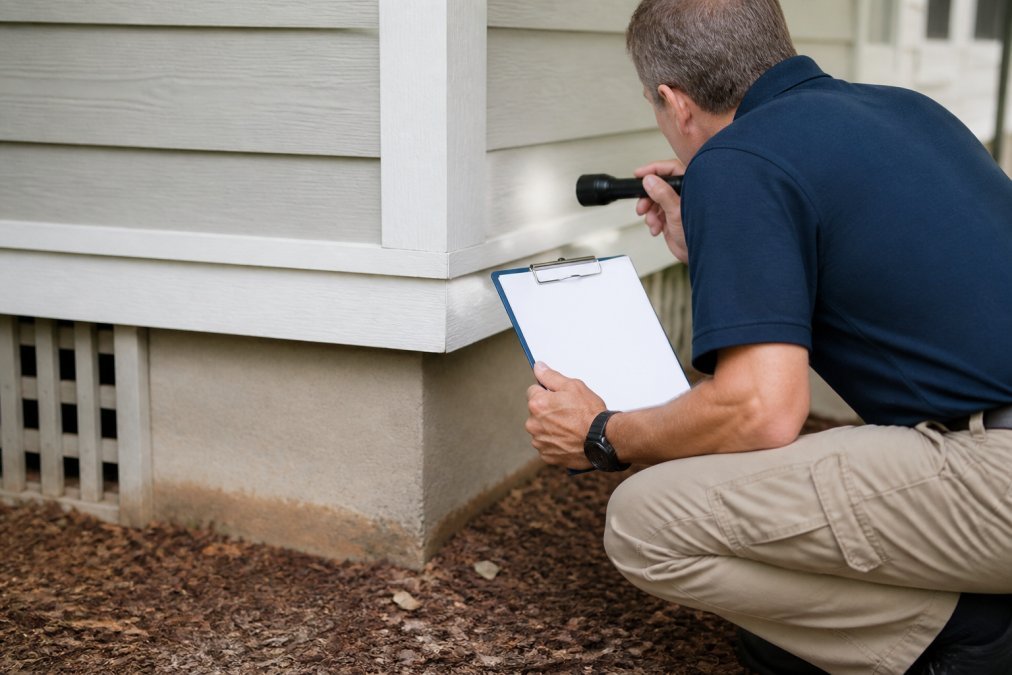
Look for horizontal cracks in foundation walls, stair-step cracks in brick, doors that stick in one season and swing free in another, and floors that slope noticeably toward the center or an exterior wall. Water intrusion shows up as white mineral staining, dark tide lines, or a musty smell in the basement or crawlspace. Because these cracks, shifting floors, and signs of moisture can point to a deeper structural issue, Del-Val Basement Waterproofing is a useful next stop when weighing the scope of repairs.
Framing problems reveal themselves as sagging rooflines, cracked drywall at door corners, and gaps around windows. For a deeper walkthrough of these warning signs, read our guide on how to spot structural home issues.
Fixer-Upper Red Flags That Should Change Your Offer
Some findings are negotiating points. Others are walk-away signals. Knowing the difference is what separates a smart fixer-upper purchase from a money pit.
Red flags that should change your offer:
- Active water intrusion in the basement or crawlspace, especially with visible mold
- Structural movement shown by horizontal foundation cracks or bowing walls
- A roof at the end of its service life with no documentation of replacement
- Outdated wiring such as aluminum branch circuits or a recalled panel brand
- Sewer line or septic failure, which often requires excavation
The right response is rarely to walk immediately. Get a specialist bid for each major issue, then subtract that bid plus a contingency from your offer price. A roof that needs replacing is a known cost, not a surprise. An undiscovered foundation problem is the surprise that ruins budgets.
Check the Major Systems: Roof, Electrical, Plumbing, and HVAC
Major systems are the roof, electrical service, plumbing, and heating and cooling equipment, and their combined condition determines your first-year repair costs. The goal is not to become an expert in each trade.
Roof. Inspect from the ground with binoculars: look for curled, missing, or lifted shingles, dark patches that suggest granule loss, rusted or loose flashing around chimneys and vents, and sagging along the ridge. Ask for the roof’s age and any documentation of replacement.
Electrical. Open the panel and identify the brand and breaker type. Look for double-tapped breakers, rust, scorch marks, and missing knockout covers. Federal Pacific Electric panels and aluminum branch-circuit wiring are well-known safety concerns that often require a licensed electrician’s evaluation and, in many cases, replacement.
Plumbing. Pipe material tells you more than water pressure. Galvanized steel and polybutylene are known problem materials that frequently fail and can be difficult to insure. Run every faucet and flush every toilet at once to check pressure and drainage, then watch under sinks and around the water heater for active corrosion.
HVAC. Check the age of the furnace and the central air conditioning condenser, the condition of the refrigerant lines, and whether airflow reaches every room. For roof-specific warning signs you can spot before closing, see our guide on signs of roof damage from the ground.
Watch out: a system that runs during a quick walkthrough can still be at the end of its life, so always ask for service records and the installation date rather than judging by whether it turns on.
Watch for Hidden Mold Signs in a House Before You Close
Hidden mold is fungal growth inside wall cavities, under flooring, or above ceilings where moisture has been trapped, and it is one of the most common surprises in a fixer-upper. You will not always smell it. You will not always see it.
Watch for these clues: a musty odor that lingers after the house has aired out, dark staining on ceiling corners, bubbling paint, warped baseboards, and previous water stains that were painted over. Check under sinks, behind the washing machine, around the water heater, and in the attic where roof leaks travel.
Our team includes a Certified Residential Mold Inspector, and infrared imaging helps us trace moisture paths to their source. If you suspect mold, do not rely on a visual pass. Our step-by-step guide on how to find hidden mold in your home walks through the process room by room.
How to Estimate Fixer-Upper Renovation Costs and Set a Contingency Fund
Estimating renovation costs starts with a line-item repair list from your inspection report, priced by local contractors, plus a contingency fund of at least 10 to 20 percent of the total. The contingency is not optional. It is the buffer that absorbs what the inspection could not see.
Build the estimate in four columns: repair item, contractor bid, timeline, and priority. Separate cosmetic repairs from major repairs, because cosmetic work is where budgets quietly expand. A kitchen you planned to “freshen up” rarely stays a paint-and-hardware job. Assign each line a severity rating from your inspection walk, green, yellow, or red, so you can see at a glance which items are safety issues and which are deferred maintenance.
Use component life expectancy as a budgeting tool. If the water heater, furnace, and roof are all near the end of their service life, plan for those replacements in your first three years. Our component life expectancy chart shows typical service ranges for major systems so you can forecast replacements instead of reacting to them.
Before you rely on any contractor’s number, verify it. Get at least two written bids for every major repair and compare scope, not just totals. A bid that excludes permits, disposal, or finish work is not comparable to one that includes them. Ask each contractor for a timeline with start and completion dates, and check whether their schedule depends on permits or material lead times.
Then translate the verified bids into a maximum offer. Add the purchase price, the total of your line-item bids, and your contingency reserve. Compare that sum with recent local comparable sales for a renovated home of similar size and location.
Watch out: skipping the contingency because the numbers look tight is the single most common way fixer-upper budgets fail. Add it before you make an offer, not after the first surprise.
Verify Contractor Estimates, Permits, and Code Upgrades Before Closing
Contractor estimates should be verified before closing, not after, because the numbers you use to set your offer must reflect real bids from licensed contractors. Get at least two written bids for every major repair. Compare scope, not just totals.
Permits and code upgrades belong in the same conversation. Ask your contractor whether the work requires a permit, and check with the local building department on any open permits on the property. Unpermitted past work is a common find in older homes, and bringing it up to code can add cost you did not budget for. Historic-district restrictions can also limit what you can change on the exterior.
If the property has environmental hazards such as asbestos in older materials or lead paint in pre-1978 homes, budget for testing and abatement. The EPA’s lead-based paint disclosure rules explain what sellers must disclose and what testing involves. Your inspection report should flag the age-related risks so your contractor bids account for them.
Schedule Your Fixer-Upper Inspection With Zenith Property Inspections
A fixer-upper purchase rewards preparation and punishes guesswork. The buyers who do well are the ones who inspect thoroughly, price the repairs honestly, and build a contingency before they sign.
Zenith Property Inspections provides certified home inspections across Northern California, led by a National Housing Code Certified Master Inspector. We use DJI drone technology and infrared thermal imaging to document roofs, foundations, and hidden moisture. We offer Saturday and Sunday appointments at no extra charge and deliver same-day reports.
If you are weighing a fixer-upper, understand how a pre-purchase inspection differs from a standard one before you book.
A fixer-upper can be the best purchase you ever make, or the most expensive lesson. The difference is a thorough inspection and a repair budget you can trust. Get started with Zenith Property Inspections and walk into closing with a clear picture of the property’s true condition, same-day reporting, and a certified inspector who explains every finding in plain terms.
Frequently Asked Questions
Is it wise to buy a fixer-upper house?
It depends on the repairs and your budget. A fixer-upper house can build equity if the problems are mostly cosmetic, like paint, flooring, and outdated fixtures. It becomes risky when structural, electrical, plumbing, or mold issues are present. Get a full home inspection first, then compare repair bids against local comparable home sales. If the purchase price plus verified renovation costs stays below market value with a healthy contingency fund, the numbers can work in your favor.
What should you inspect first when buying a fixer-upper?
Start with the foundation, framing, and roof. These are the most expensive items to fix and the hardest to hide. Look for sloping floors, cracks wider than a hairline, water intrusion in the basement, and a roof past its service life. After structure, move to the electrical system, plumbing, and HVAC, since code compliance upgrades on those systems can run into five figures. A certified inspector with thermal imaging can catch problems behind walls that a walkthrough misses.
How do you estimate fixer-upper renovation costs before buying?
Use the inspection report to build a line-item repair list, then get written bids from licensed contractors for the big-ticket items: roof, HVAC, electrical panel, plumbing, and foundation. Add a contingency fund of 10 to 20 percent of the renovation budget for surprises behind the walls. Compare your total against comparable home sales in the neighborhood. If the purchase price plus repairs plus contingency exceeds the resale value of similar updated homes, walk away or renegotiate the offer price.
How can you find hidden mold in a home?
Hidden mold signs in a house include a musty odor, water stains on ceilings or walls, bubbling paint, and warped baseboards. Mold often grows behind drywall, under sinks, and in attics where a roof leak went unnoticed. Infrared thermal imaging can reveal moisture pockets that are invisible to the eye, and a certified residential mold inspector can confirm the source. Address the water intrusion first, because mold returns wherever moisture stays.
