
Table of Contents
- Why Property Inspection Matters for Investment Returns
- What to Look for in an Investment Property Inspection
- How to Inspect Pool Plumbing and Specialized Systems
- Infrared Thermal Imaging for Property Inspections
- Real Estate Due Diligence Checklist for Investors
- Commercial Property Inspection Cost and Multi-Family Considerations
- Identifying Deal-Breakers and Using Inspection Findings to Negotiate
- Interpreting Your Inspection Report for Investment Decisions
- Frequently Asked Questions
Last Updated: September 23, 2026
Why Property Inspection Matters for Investment Returns
Property inspections are the foundation of sound investment strategy for property inspection investors. A comprehensive property inspection for investors reveals hidden issues before you’re contractually bound, giving you leverage to renegotiate terms or walk away entirely. A single missed structural problem or major system failure can significantly reduce your property’s value. An inspection can save you from a costly mistake.
What to Look for in an Investment Property Inspection
A thorough property inspection for property inspection investors covers structural integrity, mechanical systems, code compliance, and identifies anything requiring near-term capital expenditure.
Structural Integrity and Foundation Assessment
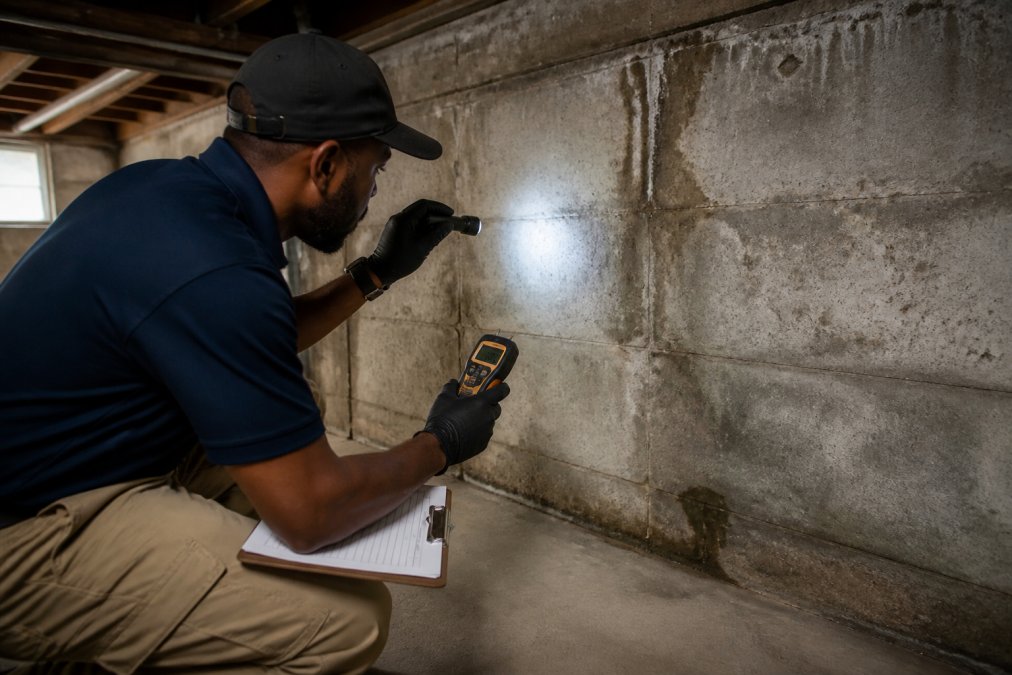
The foundation and structural frame are non-negotiable. Examine the foundation for cracks wider than 1/8 inch, horizontal cracks, or stair-step patterns through mortar joints, all indicate structural stress requiring professional evaluation. Look for bowing or leaning walls, standing water, efflorescence (white mineral deposits), or active moisture in crawlspaces and basements. These indicate foundation failure or water intrusion that compounds quickly.
HVAC, Electrical, and Plumbing Systems
These systems represent the largest ongoing operational costs. HVAC systems have a typical lifespan; budget for replacement if the unit is older. Check the electrical panel for outdated components, double-tapped breakers, or amateur work violating code. Galvanized pipes corrode from the inside, reducing water pressure and quality; replacement costs escalate quickly in older properties. Cast iron drain lines can fail without warning.
Environmental Hazards and Code Compliance
Asbestos in insulation, floor tiles, or roofing was common in pre-1980s properties. Lead paint is a serious concern in pre-1978 properties, especially if you’re planning renovations (the EPA). Mold growth indicates moisture problems requiring structural or plumbing remediation. Code compliance violations affect your timeline and costs: unpermitted additions, missing egress windows, or non-compliant electrical work all require remediation before legal operation or sale.
How to Inspect Pool Plumbing and Specialized Systems
Pool plumbing failures are expensive and often hidden. A certified pool inspector evaluates water chemistry, equipment condition, pool shell integrity, and circulation system functionality. Look for leaks manifesting as wet spots in the yard, declining water levels, or algae growth. Pumps and filters have a typical lifespan before efficiency drops. Factor in seasonal maintenance costs and potential major repairs into your investment analysis.
Infrared Thermal Imaging for Property Inspections
Infrared thermal imaging reveals moisture intrusion, missing insulation, electrical hotspots, and air leaks invisible to the naked eye. Cold spots in walls indicate moisture or missing insulation. Hot spots in electrical panels suggest overloaded circuits or loose connections posing fire risk. Ceiling temperature variations often reveal roof leaks or attic moisture. For investors, thermal imaging provides objective data supporting repair estimates and negotiation.
Real Estate Due Diligence Checklist for Investors
A standardized checklist ensures consistent evaluation across properties.
|
Category |
Items to Evaluate |
Investment Impact |
|---|---|---|
|
Structural |
Foundation, framing, roof, walls |
Foundation failure = deal-breaker |
|
Mechanical |
HVAC age, electrical panel, plumbing |
System replacement = major CAPEX |
|
Environmental |
Asbestos, lead, mold, radon |
Remediation costs can exceed value |
|
Code |
Permits, zoning, unpermitted work |
Violations block sale or use |
|
Systems |
Pool, solar, automation, specialized |
Specialized repairs = high cost |
|
Deferred Maintenance |
Roof age, paint, landscaping, deck |
Accumulates into larger issues |
Document everything photographically. Your inspection report should include photos of problem areas, system components, and overall property condition.
Commercial Property Inspection Cost and Multi-Family Considerations
Commercial properties and multi-family buildings require fundamentally different inspection approaches than single-family homes. A four-unit building has four separate HVAC systems, four electrical services, and four sets of plumbing, multiplying failure points. A 50-unit apartment complex introduces common-area systems, fire suppression, emergency egress, and ADA compliance requirements. A missed issue in a multi-family building affects multiple revenue streams simultaneously.
Multi-Family (2-50 Units) Inspection Framework
Unit-Level Systems (per unit)
- HVAC: Units older than 12 years should be budgeted for replacement. Check for mismatched systems indicating deferred maintenance.
- Electrical service: Verify adequate amperage for modern loads (100-amp minimum per unit; 150-amp preferred). Older buildings with 60-amp service per unit may require panel upgrades.
- Plumbing: Inspect for galvanized pipes (corrosion risk) and cast iron drain lines (failure-prone in buildings older than 30 years). Check water pressure (minimum 40 PSI) and drainage flow. Leaks between units indicate shared wall penetration issues.
- Appliances: Document age and condition. Replacement costs $1,200-$2,500 per unit if provided.
Common-Area Systems (shared)
- Roof: Critical for multi-story buildings. Flat roofs and pitched roofs have typical lifespans. Budget for replacement as needed.
- Exterior walls and foundation: Water intrusion causes interior damage across multiple units. Inspect for cracks, failed caulking, missing siding, and water stains.
- Parking structure: Evaluate concrete condition, drainage, lighting, and safety. Cracked concrete indicates water intrusion and freeze-thaw damage.
- Hallways, stairwells, and common areas: Check for code compliance, safety hazards, and deferred maintenance. Stairwell lighting failures create liability.
- Electrical service to building: Verify main panel has adequate capacity. Undersized service limits upgrades and creates fire risk. Upgrading main service can be a significant cost.
Tenant-Occupied Unit Access Coordinate inspection timing to minimize disruption. Document which units you couldn’t inspect due to tenant refusal. Budget for follow-up inspections of inaccessible units after acquisition if possible.
Commercial Building (Office, Retail, Industrial) Inspection Framework
Fire and Life Safety Systems
- Fire suppression (sprinkler system): Verify code compliance, annual inspection, and functionality. Repairs or upgrades can be a significant cost.
- Emergency lighting and exit signage: Required by code. Non-compliance creates liability and blocks occupancy permits.
- Fire alarm system: Verify monitoring, annual testing, and functionality. Code upgrades can be a significant cost.
HVAC and Environmental Systems
- Commercial HVAC: Verify proper sizing for occupancy load and adequate air exchange rates. Replacement can be a significant cost.
- Indoor air quality: Check ventilation, humidity control, and absence of mold. Post-pandemic, tenants expect higher standards.
- Rooftop equipment: Verify structural support, condition, and maintenance records.
Electrical and Backup Power
- Main electrical service: Verify adequate capacity for current and future loads. Upgrading commercial service can be a significant cost.
- Generator (if present): Verify fuel supply, maintenance records, and load capacity. Annual load testing is an ongoing cost.
- Lighting: Verify compliance with code-required foot-candles. LED upgrades can be a significant cost for large buildings.
Structural and Code Compliance
- ADA compliance: Verify accessible parking, ramps, restrooms, and signage. Non-compliance creates liability. Retrofitting can be a significant cost.
- Zoning and permitted use: Verify zoning allows current and intended uses.
- Building permits and certificates of occupancy: Verify all major systems have permits and inspections.
Tenant-Specific Systems
- Demising walls: Verify fire-rating and soundproofing.
- Tenant improvement allowances: Understand landlord-maintained versus tenant-maintained systems.
Commercial Inspection Cost Pricing for a comprehensive commercial inspection depends on the size and complexity of the building and its systems. Please visit our website for current prices or a quote.
Asset-Class-Specific Red Flags
Multi-Family Red Flags
- Deferred maintenance in common areas indicates owner neglect and likely unit-level issues
- High vacancy rate (above 5%) suggests tenant satisfaction or market problems
- Tenant complaints documented in lease files (water leaks, HVAC failures, pest issues)
- Electrical service undersized for modern loads (60-amp per unit with air conditioning)
- Roof approaching end-of-life in buildings with 20+ year hold periods
Commercial Red Flags
- Fire suppression system absent or non-compliant
- Electrical service inadequate for tenant loads or future growth
- ADA non-compliance
- Roof or structural issues affecting multiple tenant spaces
- Zoning violations or unpermitted tenant improvements
Inspection Sequencing for Multi-Asset Portfolios
Prioritize inspections by financial impact:
- Highest-revenue units first: Issues here affect cash flow most directly.
- Common-area systems second: Roof, electrical, plumbing serving all units.
- Lower-revenue units last: Lower financial impact.
Identifying Deal-Breakers and Using Inspection Findings to Negotiate
Not every issue is a deal-breaker, but some are. Foundation failure, active mold growth, environmental contamination, or major code violations preventing legal operation are typically non-negotiable. Most issues, however, are negotiable, frame them in financial language the seller understands: repair costs, timeline impact, and cash flow effect.
The Three-Tier Negotiation Framework
Tier 1: Walk-Away Issues (non-negotiable)
- Foundation failure requiring underpinning or structural repair
- Active mold contamination requiring remediation
- Environmental hazards requiring professional abatement
- Code violations preventing legal occupancy
- Structural damage affecting insurability
If the inspection reveals any of these, your negotiation is about exit strategy, not price.
Tier 2: Price-Adjustment Issues (negotiable via reduction or credit)
- HVAC system beyond useful life: Replacement
- Roof with limited life remaining: Replacement
- Electrical panel requiring upgrade
- Plumbing with galvanized pipes: Whole-house replacement
- Deferred maintenance
Use this negotiation formula:
- Obtain repair estimates from licensed contractors (2-3 bids for major items).
- Calculate total remediation cost and add 15-20% contingency.
- Request a price reduction equal to total remediation cost plus contingency.
- Offer an alternative: Repair credit at closing or seller-completed repairs using your approved contractors.
Tier 3: Cosmetic or Minor Issues (negotiate only if they affect marketability)
- Cosmetic damage (paint, flooring, landscaping)
- Outdated fixtures or finishes
- Minor plumbing leaks (not systemic)
- Worn appliances
Timing and Leverage
Inspection findings carry maximum leverage immediately after the report is delivered. Use this window to:
- Request repairs or credits within 48-72 hours.
- Reference the inspection report directly with specific findings, photos, and contractor estimates.
- Set a deadline for the seller’s response (5-7 business days).
- Be prepared to walk if the seller refuses reasonable adjustments.
Converting Inspection Findings to Investment Impact
Frame findings in terms of cash-on-cash return reduction. Example:
Example: For a rental property, if an inspection reveals significant capital expenditures required, such as HVAC and roof replacement, these costs can impact your projected cash-on-cash return. Negotiating a price reduction equal to these costs can help maintain your target return.
Documentation and Follow-Up
Always document negotiation in writing:
- Email the seller’s agent with your repair request, attaching the inspection report and contractor estimates.
- Reference specific findings by page number and photo.
- State your requested adjustment clearly.
- Set a response deadline (5-7 days).
- Keep copies of all correspondence.
Written documentation protects you if disputes arise and signals to the seller that you’re serious and organized.
Interpreting Your Inspection Report for Investment Decisions
A thorough inspection report should be readable and actionable. Look for sections categorizing findings by urgency: immediate safety concerns, deferred maintenance affecting value, and minor cosmetic issues. Safety issues require immediate attention. Deferred maintenance affects your investment timeline and cash flow projections.
Frequently Asked Questions
What is included in a comprehensive property inspection for investors?
A comprehensive property inspection for investors covers structural integrity, foundation condition, HVAC systems, electrical and plumbing infrastructure, roofing assessment, environmental hazards like mold and asbestos, code compliance, and building envelope integrity. Advanced inspections may include infrared thermal imaging to detect hidden moisture and energy loss, drone technology for roof and exterior assessment, and specialized evaluations of pools, spas, and multi-unit systems. The inspection produces detailed photo documentation and a standardized report identifying repair recommendations and deferred maintenance items.
How does an investor property inspection differ from a standard home inspection?
Investor property inspections focus on ROI impact and capital expenditure (CAPEX) priorities rather than general buyer concerns. They emphasize big-ticket items like foundation, roofing, and HVAC systems that affect long-term asset valuation and property management costs. Investor inspections often include specialized assessments for multi-family buildings, commercial real estate components, and rental-specific code compliance. Reports prioritize remediation costs and negotiation leverage, helping investors quantify deal-breakers and project profitability before closing.
Why is due diligence critical for real estate investment properties?
Due diligence protects your investment by identifying hidden problems before you commit capital. Skipping thorough inspection exposes you to unexpected repair costs, liability issues, and reduced property value. A detailed property condition assessment reveals deferred maintenance, code violations, and structural issues that affect financing, insurance, and resale potential. Comprehensive due diligence also provides negotiation leverage to reduce purchase price or require seller remediation, directly improving your ROI and reducing risk.
What specialized technology should be used for investor property inspections?
Infrared thermal imaging detects moisture, insulation gaps, and electrical hot spots invisible to the naked eye, revealing hidden damage in walls and attics. DJI drone technology safely inspects roofs, gutters, and exterior structures without ladders, capturing detailed photo documentation. Video walkthroughs document property condition for remote review and future reference. These tools identify problems early, reduce inspection time, and provide clear visual evidence for negotiation or insurance claims.
How do I interpret an inspection report for investment purposes?
Focus on the repair recommendations section and categorize findings by urgency and cost. Identify big-ticket items (foundation, roof, HVAC, plumbing) that directly affect property value and financing. Distinguish between cosmetic issues and structural problems that impact habitability and code compliance. Use the report’s photo documentation to verify findings and estimate remediation costs. Calculate total CAPEX against your investment timeline and target ROI to determine if the property meets your criteria or if price negotiation is needed.
Can advanced inspection technology actually find problems a standard inspector would miss?
Yes. Infrared thermal imaging reveals moisture trapped in walls, attic insulation gaps, and electrical hazards that visual inspection cannot detect. Drone technology safely inspects steep roofs and gutters, capturing damage hidden from ground level. These tools identify mold growth in early stages, detect roof leaks before interior damage appears, and locate structural issues in hard-to-reach areas. For investors evaluating multiple properties, advanced technology accelerates the inspection process and reduces the risk of missing costly surprises after closing.
What should I do with inspection findings before closing on an investment property?
Use the inspection report to negotiate. Request the seller repair major issues, provide a credit toward closing costs, or reduce the purchase price to account for remediation. Prioritize deal-breakers (foundation damage, mold, code violations) over minor cosmetic issues. If you plan to manage the property yourself, obtain detailed repair estimates from licensed contractors. For rental properties, verify that all systems meet local code compliance. Document everything in writing and include inspection contingencies in your purchase agreement to protect your investment.