
Table of Contents
- What Thermal Imaging Inspection Cost Actually Covers
- Factors That Affect Thermal Imaging Inspection Pricing
- Infrared Home Inspection Cost: Standalone vs. Standard Inspection
- How Long Does a Thermal Imaging Inspection Take?
- Is Thermal Imaging Worth It for a Home Inspection?
- What Thermal Imaging Reveals That Standard Inspections Miss
- How to Get an Accurate Thermal Imaging Inspection Quote
- Frequently Asked Questions
Last Updated: October 9, 2026
What Thermal Imaging Inspection Cost Actually Covers
Thermal imaging for home inspection cost represents a specialized service that goes beyond what a standard visual inspection can detect. At Zenith Property Inspections, we use advanced infrared cameras to identify temperature variations within your home’s building envelope, electrical systems, and structural components. This technology reveals hidden problems that the naked eye simply cannot see.
When you pay for thermal imaging inspection, you’re investing in several key deliverables. The service includes a comprehensive scan of your property’s exterior and interior using professional-grade thermal equipment. Your inspector captures infrared images showing heat loss, air leaks, moisture intrusion, and electrical hot spots. You receive a detailed written report with thermal images embedded alongside explanations of what each finding means for your property.
The scope typically covers your home’s roof, walls, foundation, HVAC systems, and electrical panels. Many inspectors also scan around windows, doors, and other penetrations where air leaks commonly occur. Some add specialized assessments for plumbing or pool systems, though these often carry separate fees.
What makes thermal imaging inspection different from a standard home inspection is the technology itself. A regular inspector walks through your home, checks visible components, and documents what they observe. Thermal imaging adds a layer of detection that reveals problems developing behind walls, under insulation, or within electrical systems before they become catastrophic.
Factors That Affect Thermal Imaging Inspection Pricing
Several variables influence how much thermal imaging inspection will cost for your property. Understanding these factors helps you anticipate what you’ll pay and why quotes differ between inspectors.
Property Size and Layout
Larger homes naturally require more time to scan thoroughly. A 2,000-square-foot single-story house takes less time than a 4,000-square-foot multi-level property. Inspectors typically charge based on square footage or use it as a primary pricing factor.
Complex layouts with numerous rooms, additions, or irregular shapes also increase inspection time. A home with multiple wings or unusual architecture requires more detailed thermal scanning to capture all areas properly.
Number of Levels and Complexity
Single-story homes are faster to inspect than multi-level properties. Each additional level adds time, equipment setup, and safety considerations. A three-story home with a basement takes significantly longer than a ranch-style property of similar square footage.
Architectural complexity matters too. Homes with cathedral ceilings, vaulted spaces, or complex roof lines require more careful thermal imaging to detect problem areas. Older homes with unusual construction methods sometimes need extended inspection time to properly assess the building envelope.
Add-On Services and Specialized Assessments
Many thermal imaging inspections include standard coverage, but specialized services carry additional charges. Mold assessment using thermal imaging to identify moisture patterns costs extra. Pool inspections, septic system evaluations, or detailed electrical analysis add to your total cost.
Some inspectors offer drone thermal imaging for roof assessment or hard-to-reach areas. This technology provides excellent coverage but typically increases the price. Specialized reports focusing on energy efficiency or moisture problems also add to the base inspection fee.
Infrared Home Inspection Cost: Standalone vs. Standard Inspection
Understanding the difference between a standalone thermal imaging inspection and one combined with a standard home inspection helps you make the right choice for your situation.
A standard home inspection covers structural components, roofing, plumbing, electrical systems, HVAC, and interior/exterior conditions. The inspector documents visible defects and safety concerns. This inspection relies primarily on visual assessment and basic tools like moisture meters.
Thermal imaging inspection adds infrared technology to detect temperature anomalies. When added to a standard inspection, it typically costs more but provides comprehensive coverage. The inspector performs both the traditional walkthrough and the thermal scan, delivering a more complete picture of your property’s condition.
Some homebuyers choose thermal imaging as a standalone service, particularly when they already have a standard inspection or need focused assessment on specific concerns. Sellers sometimes use standalone thermal imaging to identify and address problems before listing.
The cost difference between standalone and combined services varies by inspector and market. Generally, adding thermal imaging to a standard inspection costs less than purchasing both services separately, since the inspector is already on-site. However, pricing structures differ significantly between providers.
At Zenith Property Inspections, our comprehensive inspections combine thermal imaging with detailed standard assessment, delivered with same-day reporting so you understand your property’s true condition before making decisions.
How Long Does a Thermal Imaging Inspection Take?
The duration of a thermal imaging inspection depends on your property’s size, complexity, and scope of work. Most inspections take between two and four hours total.
A straightforward single-story home under 2,000 square feet typically requires two to three hours. This includes time for thermal scanning, visual inspection, documentation, and initial observations. Multi-level homes or properties with complex layouts may require three to four hours or longer.
Factors extending inspection time include:
- Extensive exterior surfaces requiring detailed thermal scanning
- Multiple HVAC systems or complex mechanical layouts
- Older homes with non-standard construction requiring careful assessment
- Add-on services like pool inspection or mold assessment
- Difficult-to-access areas requiring extra safety precautions
Weather conditions affect thermal imaging inspection duration. Inspectors need adequate temperature differential between interior and exterior for thermal cameras to function effectively. Extremely hot or cold days, or days with minimal temperature variation, sometimes require longer scanning periods to capture meaningful data.
Weekend availability matters for many homebuyers and sellers. Zenith Property Inspections schedules Saturday and Sunday appointments at no extra charge, recognizing that busy professionals need flexible timing. Same-day reporting means you get your thermal images and findings the same day as your inspection, not weeks later.
Is Thermal Imaging Worth It for a Home Inspection?
Whether thermal imaging inspection justifies the additional cost depends on your specific situation and property concerns.
Thermal imaging reveals problems that standard inspections miss. Air leaks, insulation gaps, moisture intrusion, and electrical hot spots become visible on infrared images. For older homes, properties with previous damage, or houses in challenging climates, this technology often identifies costly issues before you close on the purchase or list the property.
First-time homebuyers often ask whether the extra expense makes sense. If you’re purchasing an older home, a property with visible moisture damage, or a house in an area prone to specific problems, thermal imaging provides valuable peace of mind.
Sellers benefit from thermal imaging by identifying problems they can address before listing. Fixing insulation gaps, sealing air leaks, or correcting electrical issues increases property value and appeal. Buyers are less likely to negotiate aggressively when thermal imaging has already revealed and documented a clean bill of health.
Real estate investors use thermal imaging to evaluate properties quickly and accurately. The technology helps identify renovation priorities and potential deal-breakers, enabling faster decision-making across multiple properties.
The return on investment depends on what thermal imaging discovers. If it identifies a serious problem you would have discovered after closing, the inspection fee pays for itself many times over.
What Thermal Imaging Reveals That Standard Inspections Miss
Thermal imaging detects temperature variations that indicate underlying problems. Standard inspections cannot see these hidden issues.
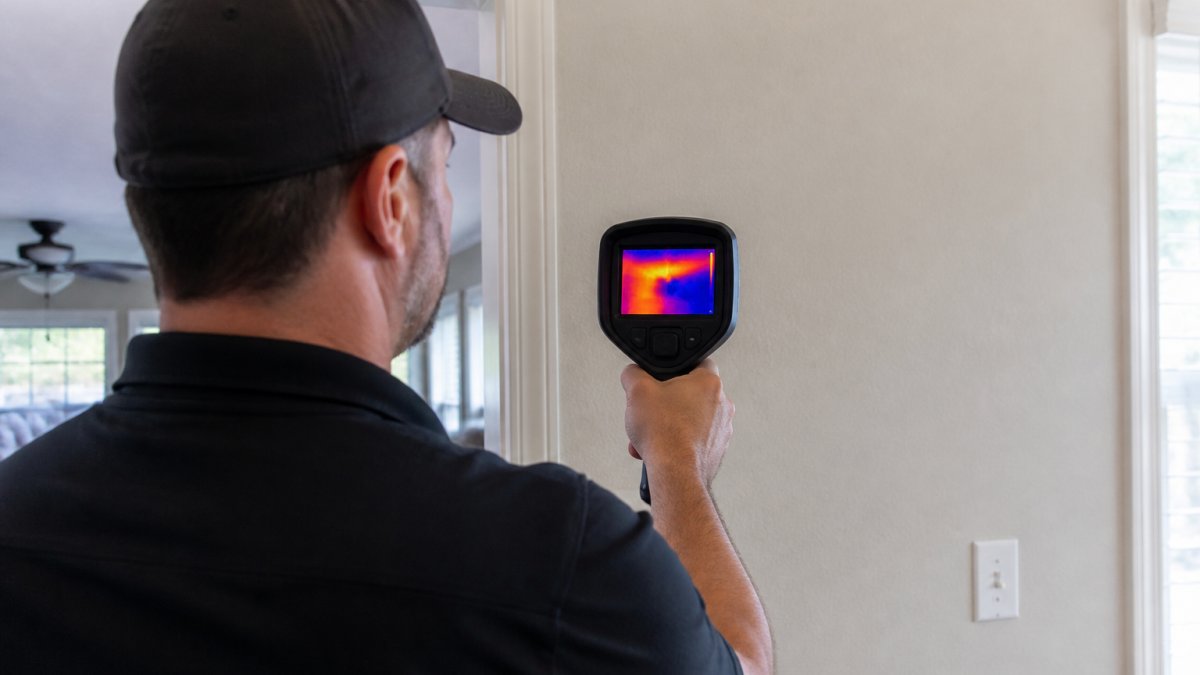
Air leaks and insulation gaps show up clearly on thermal images as areas of temperature difference. Cold spots in winter or hot spots in summer reveal where your building envelope fails. These areas waste energy and increase utility costs.
Moisture intrusion appears as temperature anomalies on thermal images. Water inside walls, roof leaks, or foundation seepage create distinct thermal signatures (IRT and GPR Techniques for Moisture Detection and Characterisation in Buildings).
Electrical hot spots in panels, outlets, or wiring indicate dangerous conditions. Overloaded circuits, loose connections, or failing components generate excessive heat detectable by infrared cameras. A standard inspector cannot identify these electrical hazards without specialized thermal equipment.
Roof problems including missing insulation, water damage, or structural issues show as temperature variations on thermal images. Inspectors cannot walk every roof safely, and thermal imaging from the ground or via drone captures conditions standard inspection cannot assess.
HVAC system issues including blocked ducts, failing components, or uneven heating and cooling become visible through thermal imaging. Standard inspection documents that systems operate, but thermal imaging shows whether they operate efficiently.
Properties older than 30 years, homes with previous water damage or foundation concerns, properties in extreme climates, and any property where you want to identify hidden problems before making a major investment.
How to Get an Accurate Thermal Imaging Inspection Quote
Getting accurate quotes requires understanding what different inspectors include and how they price their services.
Start by clearly defining your needs. Do you want thermal imaging as an add-on to a standard inspection, or standalone thermal assessment?
Contact multiple inspectors and request detailed quotes. A thorough quote specifies:
- Base inspection fee and what it includes
- Thermal imaging fee (if separate)
- Any add-on services and their individual costs
- Report delivery timeline
- Inspector certifications and experience
- Equipment used (camera type, resolution, capabilities)
Ask inspectors about their qualifications. Look for certifications from organizations like InterNACHI, ASHI, or CREIA. National Housing Code Certified Master Inspectors have completed rigorous training and continuing education.
Inquire about inspection conditions. Ask whether the inspector requires specific temperature differentials between interior and exterior. Some inspectors won’t perform thermal imaging on days with minimal temperature variation. Understanding these limitations helps you schedule appropriately.
Compare not just price but value. A lower-cost inspector who rushes through your property or uses older equipment may miss important findings.
Request references or reviews. Check online ratings and ask the inspector for contact information from recent clients.
At Zenith Property Inspections, we provide transparent quotes specifying exactly what’s included. Our National Housing Code Certified Master Inspector uses professional-grade DJI thermal imaging equipment and delivers same-day reports.
Thermal imaging for home inspection cost varies based on property size, complexity, and services included, but the investment typically pays for itself by identifying problems standard inspections miss.
At Zenith Property Inspections, we combine thermal imaging with comprehensive standard inspection to deliver the complete picture of your property’s true condition.
Frequently Asked Questions
How much does a thermal imaging inspection cost compared to a standard home inspection?
Thermal imaging adds a premium to a standard inspection because it requires specialized equipment and training. The exact cost depends on property size, complexity, and whether thermal imaging is a standalone service or bundled with a full home inspection. Factors like the number of levels, square footage, and any add-on services (such as mold or pool assessment) all influence the final fee. For an accurate quote tailored to your property, contact your inspector directly with details about your home.
What does a thermal imaging inspection include?
A thermal imaging inspection uses an infrared camera to scan the building envelope, electrical components, and mechanical systems for temperature anomalies. It typically includes detection of insulation gaps, air leaks, moisture intrusion, hot breakers, and heat loss patterns. The inspection produces a written report with thermal images and findings. Most inspectors also conduct a visual inspection alongside thermal scanning to verify what the camera detects and provide context for any hidden defects discovered.
Is thermal imaging worth the extra cost for a home inspection?
Thermal imaging is worth the cost if you’re concerned about energy efficiency, hidden water damage, or electrical hazards. It reveals problems—like insulation gaps, moisture, and overheating breakers—that a visual inspection alone cannot detect. The value depends on your situation: first-time buyers benefit from peace of mind; sellers can identify issues before listing; investors evaluating older or multi-unit properties gain critical data for cost estimation. If the property is new, well-maintained, or you’re on a tight budget, a standard inspection may be sufficient.
How long does a thermal imaging inspection take?
A thermal imaging inspection typically takes 2 to 4 hours, depending on property size, number of levels, and inspection scope. A standard home inspection alone usually takes 2 to 3 hours; thermal imaging adds time for detailed scanning of the building envelope, electrical panels, and mechanical systems. Properties with basements, multiple levels, or specialized systems (pools, complex HVAC) require more time. Your inspector will provide a time estimate when you schedule.