
Table of Contents
- What to Look for in a Home Inspector for Investment Properties
- Certifications and Professional Credentials That Matter
- Questions to Ask a Home Inspector Before Hiring
- Investment Property Inspection Checklist: Key Systems and Components
- Structural Integrity and Foundation Assessment
- HVAC Systems: Age, Efficiency, and Replacement Timeline
- Electrical Systems: Capacity, Safety, and Code Compliance
- Plumbing Systems: Material, Age, and Capacity
- Roof Condition: Material, Age, and Remaining Useful Life
- Building Code Compliance and Rental-Specific Requirements
- Capital Expenditure Prioritization Matrix
- How to Inspect Pool and Plumbing Systems in Investment Properties
- Single-Family vs. Multi-Family Property Inspections: What Investors Need to Know
- Advanced Inspection Technology: Thermal Imaging and Drone Assessments
- Using Inspection Reports for Negotiation and Due Diligence
- Frequently Asked Questions
Last Updated: October 4, 2026
What to Look for in a Home Inspector for Investment Properties
Investment-grade inspections demand a different standard than typical buyer inspections. You’re assessing a capital asset and revenue stream, not just a home to live in.
The best home inspectors for investment properties understand rental compliance, capital expenditure planning, and deferred maintenance. They examine systems with an investor’s mindset: what will repairs cost, and when?
Verify ASHI or InterNACHI certification, but credentials alone don’t guarantee investment expertise. The best home inspectors for investment properties understand local building codes and spot rental compliance issues.
Certifications and Professional Credentials That Matter
ASHI and InterNACHI certifications require rigorous training and continuing education. Both maintain codes of ethics and require professional liability insurance, critical protections for you.
Seek National Housing Code Certified designations for building code mastery. For older or humid properties, verify Certified Residential Mold Inspector credentials. Pool properties require a Certified Pool Inspector, don’t use a general inspector for pools.
Professional liability insurance isn’t optional. Verify that your inspector carries it. This protects you if their inspection misses a major defect that later costs money to repair. Ask for proof of coverage before hiring.
Questions to Ask a Home Inspector Before Hiring
“What’s your process for identifying deferred maintenance?” A strong answer involves systematic documentation and prioritization by urgency and cost.
“Do you provide repair cost estimates?” The best home inspectors for investment properties help you calculate renovation budgets and ROI.
“Can you assess the property for rental compliance?” Verify familiarity with local landlord-tenant requirements and building code variations for rental units.
“What’s your turnaround time for reports?” Same-day or next-day reporting is standard; a week-long delay may cost you deal windows.
“Do you use thermal imaging or drone assessments?” These tools reveal roof deterioration, electrical hot spots, and moisture patterns invisible to the naked eye.
Investment Property Inspection Checklist: Key Systems and Components
A comprehensive inspection covers far more ground than typical buyer inspections, but investors need to evaluate systems through a financial lens: what will this cost, when will it need replacement, and how does it impact rental income? This checklist ensures you’re assessing the right elements for investment viability and capital planning.
Structural Integrity and Foundation Assessment
Inspectors should evaluate foundations for cracks, settling, moisture intrusion, and structural movement. Concrete foundations need assessment for efflorescence and spalling, which indicate moisture problems.
Water stains, mold, or standing water in crawl spaces signal drainage failures and impact insurance costs. Pier-and-beam foundations require verification that posts remain properly supported.
Assess load-bearing walls, beam condition, and pest damage. This determines investability.
HVAC Systems: Age, Efficiency, and Replacement Timeline
HVAC systems represent significant capital expenditure and directly impact tenant satisfaction and operating costs. HVAC age is one of the most important investment metrics because replacement is non-negotiable and expensive.
Request documentation of system age, efficiency rating, and rental code compliance requirements.
Electrical Systems: Capacity, Safety, and Code Compliance
Electrical systems need comprehensive evaluation because code violations prevent legal rental operation. Verify main panel capacity (100-200 amps for single-family, 200+ amps for multi-family) and check for outdated wiring (aluminum, knob-and-tube).
Aluminum wiring (1965-1975) and knob-and-tube wiring (pre-1950) are code violations. GFCI outlets are required in bathrooms, kitchens, and outdoor areas. Verify proper grounding.
Plumbing Systems: Material, Age, and Capacity
Assess water pressure throughout the property and whether the system handles multiple simultaneous uses (critical for multi-family units). Identify code violations.
Copper piping is ideal; galvanized steel (pre-1980) needs replacement. Polybutylene (1978-1995) requires replacement. Adequate water pressure is 40-60 PSI. Tank water heaters last 8-12 years; tankless systems last 15-20 years. Verify code-compliant cleanouts, venting, and backflow prevention.
Roof Condition: Material, Age, and Remaining Useful Life
Roof condition is critical because replacement is expensive and non-negotiable. Assess material, condition, leaks, and remaining useful life.
Asphalt shingles last 20-25 years; metal roofing 40-70 years. Remaining useful life is the critical metric: 15+ years is non-issue; 5-10 years requires capital reserve; less than 5 years requires replacement budget. Verify code compliance and insurance impact.
Building Code Compliance and Rental-Specific Requirements
Rental properties face stricter code requirements than owner-occupied homes. Verify compliance with local building codes.
Common requirements: egress windows in bedrooms, hardwired smoke and CO detectors, electrical outlets within 6 feet, code-compliant railings, bathroom ventilation, and lead paint disclosure/remediation for pre-1978 properties.
Capital Expenditure Prioritization Matrix
Use this framework to prioritize findings by financial impact and urgency:
|
System |
Inspection Finding |
Timeline |
Estimated Cost |
Investment Impact |
Priority |
|---|---|---|---|---|---|
|
Roof |
3-5 years remaining life |
3-5 years |
$12,000-$18,000 |
Prevents rental occupancy if fails |
High, budget for replacement |
|
HVAC |
15 years old, 60% efficiency |
3-7 years |
$8,000-$12,000 |
20-30% higher utility costs annually |
High, impacts operating margin |
|
Water heater |
10 years old, tank type |
1-3 years |
$2,000-$4,000 |
Tenant complaints if fails |
Medium, budget reserve |
|
Electrical panel |
100 amps, code violation |
Immediate |
$4,000-$8,000 |
Prevents rental occupancy |
Critical, negotiate credit |
|
Plumbing |
Galvanized pipes, 45 years old |
3-5 years |
$10,000-$15,000 |
Low pressure, tenant complaints |
Medium, long-term capital plan |
|
Foundation |
Minor cracks, no settling |
Indefinite |
$0-$2,000 |
Cosmetic, no impact |
Low, monitor only |
Use this matrix during negotiation. Critical and high-priority items become deal conditions or price reduction requests. Medium-priority items become capital reserves. Low-priority items are ignored.
How to Inspect Pool and Plumbing Systems in Investment Properties
Pool and plumbing assessments require specialized expertise. These systems represent ongoing maintenance costs and potential liability.
A Certified Pool Inspector should evaluate pool structure, equipment condition, safety features, and compliance with local codes. Pools require regular maintenance and eventual resurfacing, significant capital expenditure.
Plumbing diagnostics for investment properties go deeper than standard inspections. The inspector should assess water pressure throughout the property, evaluate whether the system can handle multiple simultaneous uses (critical for multi-family units), and identify any code violations.
Single-Family vs. Multi-Family Property Inspections: What Investors Need to Know
Single-family inspections focus on individual unit systems and residential code compliance. Multi-family inspections are more complex, requiring evaluation of common areas, shared systems, and stricter building codes for fire safety, egress, and structural redundancy. Multi-family inspections must assess whether shared systems (electrical distribution, plumbing trunk lines, HVAC zoning) can handle occupancy load. Capital expenditure planning differs: multi-family buildings have shared roofs, common systems, and potentially elevators representing larger capital investments.
Advanced Inspection Technology: Thermal Imaging and Drone Assessments
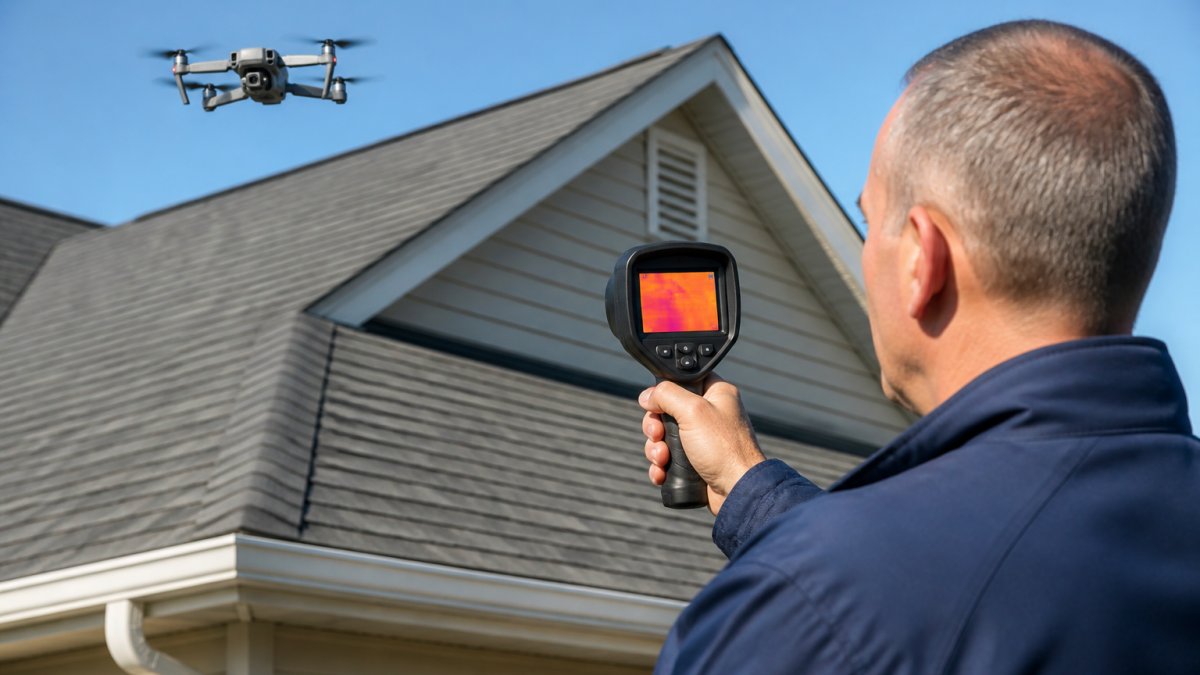
These sophisticated diagnostic tools often reveal structural compromises that necessitate a rapid exit strategy, shifting the focus toward cash home buyers who specialize in acquiring distressed assets.
Thermal imaging detects electrical hot spots, moisture intrusion, and insulation gaps. Drone assessments evaluate roof condition, missing shingles, chimney integrity, and gutter issues without ladder liability. These tools often identify issues that prevent fire hazards and provide evidence for insurance claims.
Using Inspection Reports for Negotiation and Due Diligence
Inspection reports are negotiation documents. Structure findings by severity, provide cost estimates, and use them to reduce purchase price or secure seller credits.
Structuring the Inspection for Negotiation Advantage
Timing matters. Schedule your inspection contingent on the purchase agreement, typically 7-10 days after offer acceptance. This window gives you time to review findings before the contingency deadline, when you still have leverage to renegotiate or walk away.
Request that your inspector provide detailed findings alongside observations. Generic descriptions like “roof shows wear” don’t support negotiation. Specific language, “Asphalt shingles at end of serviceable life within 18 months based on current condition and local market rates”, gives you concrete leverage.
Investment-Specific Negotiation Strategies
Repair Credit Approach: Request credits at closing rather than seller repairs, you control contractor selection and quality. Price Reduction Strategy: For major systems nearing replacement, negotiate purchase price reduction. Code Compliance Requirement: Code violations are non-negotiable deal conditions; sellers must remediate before closing. Deferred Maintenance Reserve: For multiple aging systems, negotiate 2-3% of purchase price held in escrow for documented repairs.
Using Inspection Data for Capital Planning
Create a spreadsheet documenting system age and remaining useful life, estimated replacement costs, rental compliance gaps, and maintenance frequency. This baseline becomes your investment thesis for calculating actual returns.
This baseline becomes your investment thesis. If you projected 7% annual returns and the inspection reveals $25,000 in deferred maintenance you didn’t negotiate away, your actual first-year return drops to 5%. Use this data to decide whether to renegotiate, request price reduction, or walk.
Red Flags That Should Trigger Renegotiation or Withdrawal
Certain inspection findings are deal-killers or require substantial renegotiation:
- Structural issues: Foundation cracks, settling, or water intrusion. Remediation costs $10,000-$50,000+. Require seller remediation or walk.
- Mold or moisture intrusion: Thermal imaging revealing moisture patterns or visible mold. Remediation is expensive and creates liability. Require professional mold assessment and seller-funded remediation.
- Electrical hazards: Outdated wiring, inadequate panel capacity, or safety violations. Rental properties must meet current code; budget $3,000-$10,000+ for upgrades.
- Plumbing code violations: Missing cleanouts, inadequate venting, or non-compliant fixtures. Require seller remediation before closing.
- Roof condition below 5 years remaining life: Budget full replacement. Negotiate price reduction or seller credit.
If inspection reveals multiple major issues and the seller refuses meaningful negotiation, your inspection contingency is your exit. Walking away from a bad deal is the best investment decision you can make.
Frequently Asked Questions
What should an investor look for in a home inspection report?
Focus on deferred maintenance, capital expenditure estimates, and structural integrity issues that affect rental income. The report should clearly identify red flags like foundation problems, HVAC system age, roof condition, and electrical safety standards. Ask the inspector to prioritize findings by urgency and cost impact. A quality report includes repair estimates and maintenance history, helping you assess investment risk and negotiate repairs before closing.
Do investment properties require different inspections than primary residences?
Yes. Investment properties need rental property compliance assessments, multi-unit building code reviews, and tenant-impact evaluations that standard home inspections skip. Inspectors should evaluate systems for durability under rental use, identify deferred maintenance patterns, and assess turnkey property readiness. Multi-family buildings require structural assessments across all units, common areas, and shared systems. Choose an inspector experienced with investment property inspection checklists and investor-specific due diligence requirements.
What certifications should I verify before hiring a home inspector?
Look for InterNACHI or ASHI certified inspectors with professional liability insurance and state licensing where required. A National Housing Code Certified Master Inspector demonstrates advanced expertise. For specialized needs, confirm credentials like Certified Residential Mold Inspector, Certified Pool Inspector, or commercial inspection experience. Verify certifications directly through InterNACHI or ASHI databases, and ask about continuing education and inspector credentials specific to multi-family or investment property assessment.
How does thermal imaging help with investment property inspections?
Thermal imaging detects hidden issues invisible to the naked eye: missing insulation, roof leaks, electrical hot spots, and plumbing problems behind walls. For investment properties, it identifies deferred maintenance and capital expenditure needs early, reducing surprise repair costs after purchase. Thermal imaging reveals HVAC inefficiencies and moisture intrusion patterns that affect tenant satisfaction and rental income. This technology strengthens your due diligence and negotiation position by documenting problems with visual evidence.
Should I be present during an investment property inspection?
Yes. Being present allows you to ask the inspector real-time questions about findings, understand the inspection report context, and walk the property with an expert eye. You’ll learn about building code issues, maintenance patterns, and repair priorities directly. For multi-family buildings, your presence helps identify tenant-impact concerns and operational issues. A professional inspector welcomes investor participation and will explain findings in detail, supporting your investment decision-making and negotiation strategy.