
Table of Contents
- Drone Roof Inspection Cost: What You’ll Actually Pay
- What Drone Roof Inspections Include
- Drone vs. Traditional Roof Inspection: Side-by-Side Comparison
- Drone Roof Inspection Pros and Cons
- When Drone Inspection Delivers Real Value
- Accuracy and Limitations by Roof Type
- Is the Investment Worth It for You?
- Frequently Asked Questions
Last Updated: October 15, 2026
Drone Roof Inspection Cost: What You’ll Actually Pay
A drone roof inspection’s cost depends on roof size, complexity, and location. At Zenith Property Inspections, we’ve found that understanding what you’re actually paying for, and whether that investment makes sense for your situation, requires looking beyond the headline price.
The real question isn’t just what drone roof inspection costs. It’s whether drone technology delivers value that traditional methods can’t match. For some homeowners and investors, the answer is a clear yes. For others, a standard ladder inspection covers what they need.
This guide breaks down drone inspection pricing, what’s included, how it compares to traditional methods, and when the investment truly pays off. We’ll help you decide whether drone roof inspection is worth the cost for your property.
What Drone Roof Inspections Include
A professional drone roof inspection delivers far more than a few aerial photos. The service combines high-resolution imagery, thermal data, and detailed documentation into a comprehensive property assessment.
Here’s what you typically receive:
Aerial imagery and visual assessment. A certified inspector operates an advanced drone to capture high-resolution photos and video of your entire roof from multiple angles. This reveals damage, wear, missing shingles, flashing issues, and debris accumulation that ground-level inspection might miss. The drone reaches areas that are unsafe or impossible to access by ladder.
Thermal imaging analysis. Many professional services, including Zenith Property Inspections, incorporate infrared thermal imaging alongside visual inspection. This detects temperature variations that signal moisture intrusion, insulation gaps, or structural issues. Thermal data catches problems invisible to the naked eye, the kind of hidden damage that becomes expensive repair bills later.
Detailed written report. You receive a comprehensive inspection report delivered same-day in many cases. The report documents findings with annotated photos, condition assessments, and repair recommendations organized by priority level. Professional reports explain what each issue means and why it matters.
Data for insurance and transactions. Drone inspection reports provide documentation for insurance claims, pre-sale disclosures, or investment property due diligence. Lenders and insurance companies increasingly accept drone inspection data as reliable evidence of property condition.
The scope varies by service provider. Some inspections focus purely on visual assessment. Others bundle thermal imaging, structural analysis, and specialized reporting. Ask your inspector what’s included before booking, the difference between a basic visual inspection and a comprehensive thermal analysis can significantly impact the value you receive.
Drone vs. Traditional Roof Inspection: Side-by-Side Comparison
Understanding how drone inspection stacks up against traditional methods helps clarify whether the additional cost delivers real value for your needs.
|
Inspection Method |
Access |
Imagery Quality |
Hidden Damage Detection |
Safety Risk |
Typical Cost Range |
Best For |
|---|---|---|---|---|---|---|
|
Drone inspection |
Remote aerial access |
High-resolution aerial photos |
Thermal imaging detects moisture and insulation gaps |
Minimal, no ladder climbing |
$150-$600 |
Complex roofs, hard-to-access areas, insurance claims |
|
Ladder inspection |
Ground and ladder access |
Ground-level photos |
Limited to visible surface damage |
Moderate, climbing risk |
$200-$400 |
Simple roof shapes, routine maintenance checks |
|
In-person walk-on inspection |
Direct roof access |
Close-up detail photos |
Best surface-level assessment |
Higher, inspector on roof |
$300-$500 |
Detailed damage documentation for repairs |
|
Thermal imaging only |
Remote or aerial |
Heat signature data |
Detects moisture and insulation problems |
Minimal |
Varies by provider |
Moisture intrusion diagnosis |
The key differences:
Drone inspection excels at comprehensive coverage without physical risk. An inspector can survey a large roof quickly without climbing. Thermal imaging catches moisture problems that don’t yet show visible damage, often the most valuable finding for preventing costly water damage later.
Traditional ladder inspection works well for straightforward assessments on simple roof shapes. An inspector can walk the roof surface and examine flashing, gutters, and penetrations up close. For routine maintenance or minor concerns, ladder inspection may be all you need.
In-person walk-on inspection provides the most detailed surface-level assessment but carries higher safety risk and typically costs more. It’s useful when you already know damage exists and need close-up documentation for repair planning.
The choice depends on your roof complexity, your comfort with risk, and what you need the inspection to accomplish. A simple ranch-style home with a straightforward roof might not justify drone costs. A complex multi-level property with hard-to-access areas makes drone inspection a smart investment.
Drone Roof Inspection Pros and Cons
Drone technology offers real advantages for property assessment, but it also has genuine limitations. Understanding both sides helps you make an informed decision.
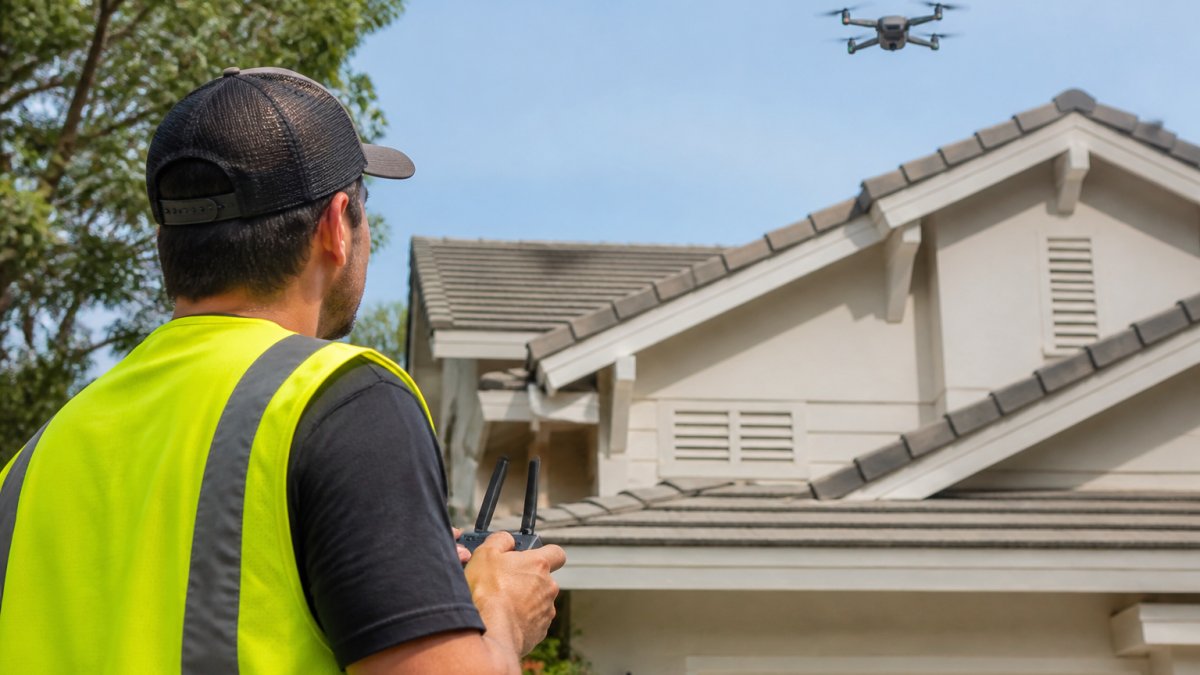
Pros of drone roof inspection:
Comprehensive coverage without climbing. A drone captures your entire roof surface in high resolution without an inspector climbing ladders or walking on the roof itself.
Thermal imaging detects hidden problems. Infrared imaging reveals moisture intrusion, missing insulation, and air leaks that visual inspection misses.
Detailed documentation for insurance and transactions. A professional drone inspection report with annotated photos and thermal data carries weight with insurance companies, lenders, and property buyers.
Same-day reporting and analysis. Many providers, including Zenith Property Inspections, deliver detailed reports the same day as inspection. You get answers quickly instead of waiting days or weeks.
Cons of drone roof inspection:
Weather dependency. Drones require calm conditions, wind, rain, or low visibility prevents safe operation. You may need to reschedule if weather doesn’t cooperate, adding delays to your timeline.
Thermal imaging limitations on certain roof types. Thermal imaging works best on clear days and struggles with reflective surfaces or certain roofing materials.
Cost for simple inspections. If your roof is straightforward and you only need a basic visual check, drone inspection may be overkill.
Privacy considerations. Some homeowners have concerns about drone activity near their property. Reputable inspectors follow local regulations and respect privacy, but it’s worth discussing before booking.
When Drone Inspection Delivers Real Value
Drone roof inspection makes the most financial sense in specific situations. Knowing whether your property fits these scenarios helps you decide if the investment is worth it.
Complex or multi-level roofs. Properties with multiple roof planes, valleys, dormers, or steep pitches are expensive and risky to inspect by ladder. Drone inspection covers everything safely and completely.
Hard-to-access areas. Roofs over garages, sunrooms, or additions create access challenges. So do properties with dense trees, power lines, or uneven terrain around the foundation. Drones reach these areas without risk.
Pre-sale property assessment. Sellers identifying issues before listing benefit from drone inspection’s comprehensive documentation. Buyers gain confidence from detailed thermal and visual data.
Insurance claims or disputes. When you’re filing a claim for storm damage or disputing a coverage decision, thermal imaging and high-resolution aerial photos provide compelling evidence.
Investment property evaluation. Real estate investors assessing multiple properties benefit from drone inspection’s speed and thoroughness.
Properties with known or suspected moisture issues. If you suspect hidden water damage, thermal imaging is often the fastest way to confirm or rule it out. This prevents expensive exploratory repairs.
Routine maintenance on complex properties. If you own a property with a complicated roof and need regular condition monitoring, drone inspection’s cost becomes more reasonable when spread across multiple inspections over time.
In contrast, simple single-story homes with straightforward roofs and no access challenges might not justify drone inspection costs unless you have specific concerns about hidden damage.
Accuracy and Limitations by Roof Type
Drone inspection accuracy varies depending on your roof material and condition. Understanding these differences helps you set realistic expectations.
Asphalt shingle roofs. Drones excel at assessing asphalt shingle roofs. Visual inspection clearly shows missing shingles, curling, granule loss, and flashing issues. Thermal imaging effectively detects moisture beneath the surface. Accuracy is high for both visual and thermal assessment.
Metal roofs. Metal roofing presents challenges for thermal imaging because metal reflects heat differently than other materials. Visual inspection works well, but thermal imaging may show false readings or miss moisture problems. Ask your inspector about experience with metal roofs specifically.
Tile and slate roofs. These materials are durable but show damage clearly in visual inspection. Thermal imaging can detect moisture but may be less reliable on tile than asphalt. Drone inspection is valuable for identifying broken or displaced tiles without climbing.
Flat or low-slope roofs. Commercial and some residential flat roofs are ideal for drone inspection. Visual assessment easily spots pooling water, membrane damage, and deterioration. Thermal imaging effectively detects moisture in flat roof systems.
Heavily weathered or aged roofs. Older roofs with heavy moss, algae, or debris can be harder to assess thermally because surface contamination affects heat signatures. Visual inspection still works well, but thermal reliability decreases.
Is the Investment Worth It for You?
The answer depends on three factors: your roof complexity, your property’s value, and what you need the inspection to accomplish.
For homebuyers: A drone inspection on a property you’re purchasing provides peace of mind and negotiating use. If the inspection reveals thermal evidence of moisture intrusion, you’ve avoided a costly mistake.
For home sellers: Pre-sale drone inspection identifies issues you can address before listing or disclose transparently. This prevents last-minute surprises during buyer inspections and demonstrates good faith.
For property investors: Evaluating multiple properties efficiently justifies drone inspection’s cost. Consistent, comparable thermal and visual data across several properties supports better investment decisions. For investors managing portfolios, drone inspection becomes a routine due-diligence tool.
For insurance claims: When you’re filing a claim for storm or weather damage, drone inspection provides documentation that strengthens your case. This can be a high-value use of inspection services.
For routine maintenance: If you own a complex property and inspect it regularly, drone inspection’s cost becomes more reasonable when amortized across multiple inspections over time.
For simple properties: If your roof is straightforward, accessible, and shows no signs of problems, standard ladder inspection may answer your questions for less cost.
The core question is whether the inspection answers questions that matter to your decision.
At Zenith Property Inspections, we help property owners and buyers understand what drone inspection reveals and whether it fits their specific situation.
Drone roof inspection has shifted from a luxury add-on to a practical assessment tool for serious property decisions.
Frequently Asked Questions
How much does a drone roof inspection cost compared to a traditional inspection?
Professional drone roof inspections’ costs depend on roof size and complexity, while manual inspections’ costs also vary. Drone inspections can be cost-competitive or even less expensive, especially for homes with steep roofs, multiple stories, or difficult access points. The final cost depends on your property’s specific characteristics and the inspector’s service area. Contact a certified inspector for an accurate quote based on your roof’s dimensions and condition.
Can drone inspections find damage that traditional inspections miss?
Drone inspections capture high-resolution aerial imagery and thermal data that reveal heat loss, moisture patterns, and damage in areas difficult to reach by ladder. However, they have limitations: drones cannot detect internal structural damage, cannot safely inspect during rain or high winds, and may struggle with certain roof materials or heavily shaded areas. A certified inspector uses both drone technology and ground-level assessment to identify issues a ladder-only inspection might overlook, particularly in tight spaces and on complex roof designs.
What does a drone roof inspection report include?
A comprehensive drone roof inspection report includes high-resolution aerial photographs, thermal imaging data showing temperature variations, detailed damage documentation with location markers, roof condition assessment, repair recommendations, and a summary of findings. Many inspectors provide same-day reports with easy-to-read visuals and explanations of technical findings. The report should clearly identify problem areas, prioritize repairs, and explain what each finding means in practical terms so you understand the condition without needing construction expertise.
Is a drone inspection worth it for a first-time home buyer?
For first-time buyers, drone inspections add value when the property has a steep roof, is multi-story, has limited ground access, or shows signs of roof age or damage. The detailed aerial imagery and thermal data provide peace of mind and help you understand hidden conditions before closing. If your home has a simple, accessible roof and is relatively new, a standard inspection may suffice. Discuss your specific property with a certified inspector to determine whether drone technology will reveal issues that affect your purchase decision.
What credentials should a drone roof inspector have?
Look for inspectors with National Housing Code Certification (NHIC), InterNACHI or ASHI membership, FAA Part 107 drone pilot certification, and state-specific home inspector licensing where required. These credentials ensure the inspector understands building codes, inspection standards, and safe drone operation. Ask about their experience with your roof type and whether they hold specialized certifications like thermal imaging or mold inspection. Verify credentials directly with the certifying organizations rather than relying on claims alone.