
Table of Contents
- Why Luxury Homes Require Specialized Inspection
- Home Inspector Credentials and Certifications to Verify
- Questions to Ask a Home Inspector Before Hiring
- How to Evaluate Inspector Experience with Complex Systems
- Luxury Home Inspection Checklist: What Should Be Included
- Home Inspection Duration for Large Homes and Properties
- Comparing Inspection Proposals and Scope Boundaries
- Conclusion
- Frequently Asked Questions
Last Updated: October 12, 2026
Why Luxury Homes Require Specialized Inspection
Luxury homes are fundamentally different from standard residential properties. They contain complex systems, high-end finishes, and specialized amenities that demand expertise beyond a general home inspector’s typical scope. When you’re investing in a high-value property, the stakes are higher, and so are the inspection requirements.
A standard home inspection covers basic structural integrity, roof condition, HVAC systems, electrical systems, and plumbing. Luxury homes include all of that, plus wine cellars, home automation systems, saltwater aquariums, pool and spa equipment, smart home integration, advanced security systems, and custom-built features that require specialized knowledge. Missing a defect in a $50,000 wine cellar cooling system or a $100,000 smart home setup can cost you far more than the inspection fee itself.
At Zenith Property Inspections, we understand that hiring inspector for luxury homes isn’t just about checking boxes. It’s about protecting your investment with the expertise that matches your property’s complexity. A qualified inspector with experience in high-end properties will know what questions to ask, what systems to test, and which problems typically hide in luxury installations.
The difference between a general inspection and a comprehensive luxury home inspection comes down to depth, equipment, and specialized training. A standard inspector might note that a pool exists. A specialized inspector evaluates pump efficiency, salt chlorination systems, structural integrity of the shell, and compliance with local safety codes. That level of detail is what separates peace of mind from expensive surprises after closing.
Home Inspector Credentials and Certifications to Verify
Before hiring inspector for luxury homes, verify that your inspector holds the right credentials. Not all certifications are equal, and some matter far more than others for high-value properties.
Start with state licensing. Most states require home inspectors to be licensed, but requirements vary significantly. Check your state’s licensing board to confirm your inspector is current and has no disciplinary history.
Look for these certifications specifically:
American Society of Home Inspectors (ASHI): This organization sets professional standards and requires members to follow strict codes of ethics and practice standards.
InterNACHI Certification: The National Association of Certified Home Inspectors (InterNACHI) certifies inspectors and maintains a database of certified professionals. This credential signals that an inspector has passed testing and committed to continuing education.
Certified Master Inspector or Certified Residential Inspector: These advanced certifications indicate years of experience and deeper expertise. A National Housing Code Certified Master Inspector has demonstrated mastery-level knowledge of building codes and inspection practices.
Specialty Certifications: For luxury homes specifically, ask about certifications in pool inspection, mold inspection, electrical systems, HVAC, or home automation. These credentials show the inspector has invested in specialized training beyond general inspection.
When you’re hiring inspector for luxury homes, don’t just ask if they’re certified, ask which certifications they hold, when they were obtained, and whether they maintain active membership in professional organizations. A certified inspector is more likely to stay current with evolving building codes and best practices.
Questions to Ask a Home Inspector Before Hiring
The questions you ask reveal whether an inspector understands luxury home inspection or treats it like any other property. These conversations separate qualified professionals from general contractors with a camera.
Experience and Specialization:
- How many luxury or high-value homes have you inspected in the past two years?
- What’s the most expensive property you’ve inspected, and what made it complex?
- Have you inspected homes with [specific amenities relevant to the property, wine cellars, pools, smart home systems, etc.]?
- Do you have certifications or training in any specialty areas beyond general inspection?
Scope and Equipment:
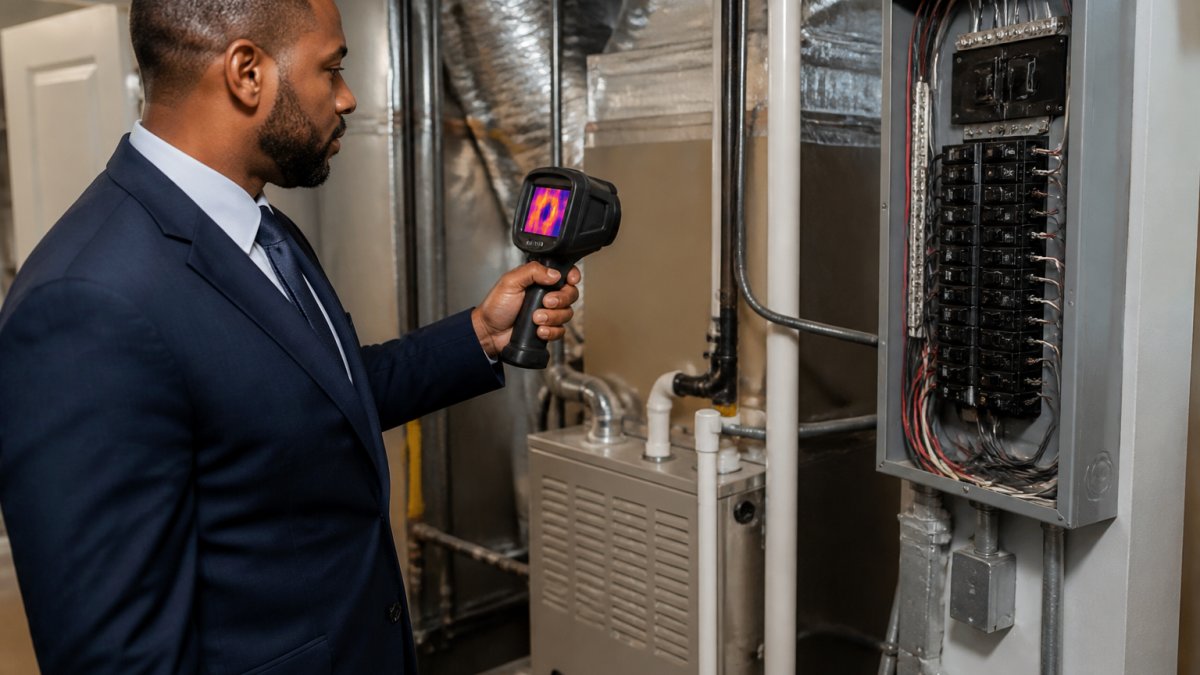
- What diagnostic tools do you use? (Thermal imaging, moisture meters, radon testing equipment, etc.)
- Can you assess home automation systems, or would that require a separate specialist?
- How do you approach pool and spa inspections, do you test chemical systems and equipment functionality?
- Will you inspect all outbuildings and accessory structures on the property?
Report and Communication:
- How soon after the inspection will I receive my report?
- Will the report include photos and explanations of findings, or technical codes and jargon?
- Are you available to walk through the property with me and explain the findings?
- What’s your process if I have questions after receiving the report?
Timeline and Availability:
- How long does an inspection typically take for a home this size?
- Are you available for weekend or evening inspections?
- What’s your typical turnaround for scheduling?
Insurance and Liability:
- Are you insured? What’s the limit of your professional liability coverage?
- Have you ever been sued by a client, and if so, how was it resolved?
These questions aren’t just vetting criteria, they’re also red flags. If an inspector rushes through answers, seems dismissive of specialty concerns, or can’t explain their process clearly, that’s your signal to keep looking. Professional standards for high-end properties often overlap with the rigor required for vetting residential contractors, ensuring that every phase of your investment remains protected by expert oversight.
How to Evaluate Inspector Experience with Complex Systems
Experience with complex systems separates competent inspectors from those truly qualified to assess luxury homes. A standard inspector may check that your HVAC system turns on. A luxury home inspector evaluates zoning, efficiency ratings, ductwork design, and integration with smart home controls.
Ask specific questions about the systems in your property. If the home has a wine cellar, ask how the inspector evaluates cooling systems, humidity control, and vibration isolation. If there’s a saltwater pool, ask how they test the salt chlorination system and evaluate pump efficiency. If home automation is central to the property, ask whether they can assess integration, security vulnerabilities, and system redundancy.
Experience also means understanding building codes and how they apply to custom installations. Luxury homes often include custom-built features that don’t follow standard construction methods. A truly experienced inspector knows when something is non-standard and whether it’s a concern or simply a design choice.
Luxury Home Inspection Checklist: What Should Be Included
When hiring inspector for luxury homes, ensure your inspection covers these elements beyond a standard home inspection scope.
Structural and Building Envelope:
- Roof condition and warranty status
- Foundation and grading
- Exterior finishes and cladding systems
- Windows and doors (including specialty glass)
- Insulation and vapor barriers
Mechanical Systems:
- HVAC zoning and smart controls
- Electrical system capacity and upgrades
- Plumbing for pressure, water quality, and specialized fixtures
- Backup power systems or generators
- Radiant heating or cooling systems
Specialty Amenities:
- Wine cellar cooling and humidity systems
- Pool and spa equipment, chemistry, and structural integrity
- Home theater or media room systems
- Home automation and smart home integration
- Security systems and access controls
- Sauna, steam room, or spa features
Outbuildings and Site Features:
- Guest houses or accessory dwelling units
- Garages and carports
- Landscape irrigation systems
- Drainage and grading for the full acreage
- Driveway and parking surface conditions
Environmental and Safety:
- Radon testing
- Mold inspection (especially in basements, crawl spaces, and areas with moisture history)
- Asbestos and lead paint assessment (for older luxury homes)
- Carbon monoxide detection
- Smoke and fire detection systems
Documentation and Warranties:
- Manufacturer warranties for high-end systems
- Service records for specialty equipment
- Building permits for renovations and additions
- Compliance documentation for custom installations
A comprehensive luxury home inspection checklist should be tailored to the specific property. Your inspector should discuss what’s included and what requires additional specialists before the inspection begins.
Home Inspection Duration for Large Homes and Properties
The time required for a luxury home inspection depends on property size, complexity, and the thoroughness of the evaluation. A standard home inspection might take two to three hours. A luxury home inspection typically requires significantly longer.
For a large home with complex systems, expect the inspection to take four to six hours or more. This includes time to evaluate standard structural elements, test all systems, document specialty amenities, and photograph findings. If the property includes multiple outbuildings, extensive acreage, or particularly complex systems, add additional time.
Properties with pools, wine cellars, smart home integration, or custom mechanical systems require deeper evaluation. A pool inspection alone can take an hour or more if the inspector is testing equipment, evaluating structural integrity, and checking chemical systems.
When scheduling, communicate the property’s size and features to your inspector. They’ll give you a realistic estimate. A rushed inspection is a red flag, thorough evaluation takes time, and shortcuts mean missed issues. Zenith Property Inspections schedules inspections with enough time to evaluate every system properly, and our same-day reporting means you get detailed findings quickly, not rushed analysis.
Comparing Inspection Proposals and Scope Boundaries
When you receive proposals from multiple inspectors, compare them carefully. Price alone shouldn’t drive your decision, scope and expertise matter far more.
Review what each proposal includes. Does it cover all the amenities and systems in your property? Does it specify which specialty areas require additional inspectors? A proposal that seems cheap might exclude wine cellar assessment, pool inspection, or mold evaluation, costs you’ll face separately later.
Ask about scope boundaries explicitly. An inspector might note that they don’t assess pool chemistry or wine cellar humidity systems. That’s fine if you understand it upfront and can arrange separate specialists. It’s not fine if you assume these areas are covered and later discover they weren’t.
Compare the reporting process. Some inspectors deliver reports days later; others provide same-day reports. Some reports are 50 pages of technical jargon; others are clear, visual, and easy to understand. A buyer-friendly report with photos and plain-language explanations is worth more than a technically dense document you can’t parse.
Ask about follow-up availability. If you have questions after receiving the report, can you contact the inspector for clarification? Will they explain findings during a walkthrough? This accessibility matters more than you might think when you’re making a major investment decision.
When comparing proposals, create a simple checklist of what you need inspected. Check off which inspectors include each item. This makes it easier to compare apples to apples rather than getting distracted by price differences.
Conclusion
Hiring inspector for luxury homes is one of the most important decisions you’ll make in a real estate transaction. The right inspector brings expertise in complex systems, specialized amenities, and high-end finishes that protect your investment. The wrong inspector might miss costly issues that only appear after you’ve closed.
Verify credentials, ask detailed questions about experience with luxury properties, and ensure the inspection scope covers all the systems and amenities in your home. Don’t rush the process, a thorough evaluation takes time, and the inspection fee is insurance against far more expensive discoveries later.
At Zenith Property Inspections, we specialize in comprehensive evaluations of luxury and high-value properties across Northern California. Our National Housing Code Certified Master Inspector uses advanced thermal imaging and drone technology to identify issues standard inspections miss. We offer same-day detailed reports and weekend appointments at no extra charge, so you get the answers you need quickly. Schedule your inspection and get the professional assessment your luxury home deserves.
Frequently Asked Questions
What credentials should a luxury home inspector have?
Look for inspectors certified by InterNACHI, ASHI, or CREIA. A National Housing Code Certified Master Inspector designation indicates advanced expertise. Verify they hold state licensing where required, carry liability insurance, and maintain professional background checks. Specialty certifications in mold inspection, pool assessment, or home automation demonstrate capacity for luxury property complexities. Always confirm credentials directly with the certifying organization.
What questions should I ask a home inspector before hiring them?
Ask about their experience with high-end properties, specific training on complex systems like wine cellars or home automation, and whether they use advanced technology such as thermal imaging or drone inspection. Inquire about their typical inspection duration for properties your size, report delivery timeline, and whether they’ll explain findings in person. Request references from recent luxury home inspections and clarify which specialty areas require additional specialists.
How long does a luxury home inspection typically take?
Standard inspections range from 2-4 hours, but luxury homes often require 4-8 hours or more depending on size, age, and system complexity. Properties with pools, wine cellars, extensive automation, or acreage add significant time. Inspectors should provide a time estimate upfront. Rushing through a high-value property increases the risk of missing critical issues, so prioritize thoroughness over speed when comparing inspection proposals.
Can a general home inspector handle luxury properties, or do I need a specialist?
While general inspectors assess standard systems, luxury homes often contain specialty equipment—wine cellars, saltwater aquariums, advanced HVAC, smart home systems, and pool/spa facilities—that require specific expertise. Many inspectors refer specialty areas to additional licensed professionals. Confirm your inspector’s direct experience with your property’s unique amenities. A qualified luxury inspector coordinates these specialists and delivers a comprehensive assessment, reducing your coordination burden.